This post does not require a commentary:


Poland 1399
Copyright ©2018 jassa.org All Rights Reserved
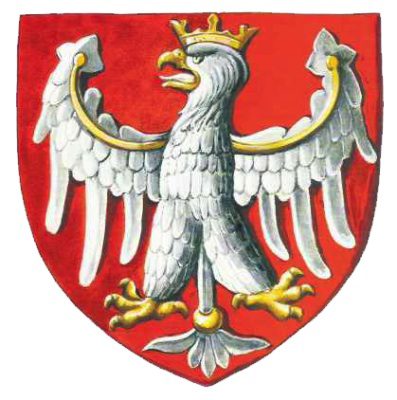
This post does not require a commentary:
Poland 1399
Copyright ©2018 jassa.org All Rights Reserved
In all the debates about the Piast dynasty one theory has always seemed missing. We’ve had the following proposed as the (non-Polish) dynastic founders:
But there are three interesting things about the Eastern direction. First:
And then:
Then, importantly:
Weaker points? Well, Gnyozdovo may have been in the land of the Krivichs and not of the Polanie and the name itself is not attested till the 1600s. Those facts, however, are not disqualifying for the theory. For one thing, the settlement at Gnyozdovo dates way back before the first time the name itself appears.
But what about Nestor? He mentions Polanie in Ukraine and in Poland but does not draw a connection. Had he known about the connection, would Nestor have mentioned it? Well, maybe that could have given his Rurikid dynasty somewhat of a claim on Poland. But it would also have given the “exiles” a far more potent claim on Kiev. In other words, if the true rulers (or even some of their servants) had been expelled by the Rus, then there was a possibility that they might come back. Mentioning such a connection would then not be very expedient. As is, Nestor’s descriptions of the Kiev Polanie are sparse and general as he appears intent to focus not on the locals but on the local rulers who he clearly considers to be foreigners to the country,
(If this were true, then Boleslaw the Great’s excursion to Kiev could be seen as a sort of an attempted reconquista. Of course, this argument could also be made about any other of his expeditions to Bohemia, Lusatia, and so forth.)

Copyright ©2018 jassa.org All Rights Reserved
A reader points out that there are some terrific comic books out there put out, it seems, in the ’80s that cover various Polish legends. These include, the story of Krak and Wanda, of Popiel and finally of Piast the Wheelwright.

These stories came out in Polish but with side-by-side translations in (depending on the version) English, German, Russian and French.
This is the beginning of the story of “The Wawel Dragon and Queen Wanda”:

And here we have “König Popiel und die Mäuse”: 
And finally, we have “Piast le Charron”: 
The series apparently continued with more historical tales of “Mieszko I and His Son Boleslaw the Brave,” that is, Chrobry, of “Boleslaw the Wrymouthed” and “Wladyslaw the Short.”
Copyright ©2018 jassa.org All Rights Reserved
The Chronicle of Utrecht (Cronica de Traiecto) features some interesting mentions of Slavs. Much of this stuff may come from such earlier works as these:
Or perhaps the slightly earlier (than the Cronica de Traiecto) Chronicle of Gouda or Chronicle of Tiel. (That is, “perhaps” – the Chronicle of Gouda is dated to 1478 but the Chronicle of Utrecht covers the years through 1456 but has been dated to 1470-1500).
In any case, here are the relevant references (this time only in Latin) from the Chronicle of Utrecht (this is from the 1738 Matthaeus edition – the manuscript of the chronicle burned down in 1914 during WWI in Leuwen/Louvain):
…Quia quod modo est Hollandia fuit tota nemorosa ac silvestris & haec primo possessa fuit a feris hominibus, qui ex Anglia venerunt, quae tunc Albion, postea Britannia, modo Anglia vocatur, & Brutus veniens de Graecia, qui fuit genitus de Troja, vastavit eam, & Occidit multos generis gigantei, & de reliquiis illius populi expulsi fuit Hollandia prius possessa, ac incolata, ac ipsi nomen acceperunt, quod Slavi essent. Et hoc fuit ante incarnationem Christi circa annos mille vel DCCCC. & tempore Samuelis, qui fuit Judex in Israel, & David Regis Israhel. Et iste populus contraxit matrimonia cum inferioribus Saxonibus & Frisonibus & populus multiplicatus est. Et divisus est populus, sic quod quidam profecti sunt ad illas partes, quae modo Australis Hollandia est, & quidam ad partem inferiorem Gelriae, qui populus tunc vocatus est de Wilten.
Post hoc tempore Julii Caesaris & LVIII. annis ante incarnatiomen Christi missus fuit idem Caesar a Senatu, ut omnes istas inferiores Regiones Romano Imperio subjugaret, & sic venit ad istos Slavos & Wilten, & dextras dedit eis, & in gratiam recepit, quia Julius Caesar eorum Capitaneum vicit & occidit, qui fuit gigas magnus nomine Braban.
Deinde post tempore Claudii circa annos Domini XL. Claudius profectus est Britanniam, quia solitum tributum dare detrectabant, & in reditu pugnavit cum Slavis & Wilten, & vastavit eos, & ipse Imperator nominavit illud magnum nemus, quod modo est Hollandia, & Flandria, nemus sine misericordia, quod fuit diu sic vocatum…
…Et hoc fecit circa annum LXV. Et Antonius cum suis posteris possedit illud multis annis, usque dum isti Slavi & Wilti Anthoniam vastaverunt. Et stetit Antonia c. & XXI . annis.
Dein post anno Domini CLXXXVI . tunc congregati sunt Wilti, hoc est, illi de auilonari Hollandia, & Slavi potenti manu, & obsederunt Antoniam, & vastaverunt eam, & multis interfectis ad solum usque dejecerunt, & construxerunt ibidem aliud valde firmum castellum, & vocatum est Wiltenburch, & habitaverunt ibi. Et erat populus inquietus & bella nutriens.
De hinc anno Domini CCC. tempore Valentiniani pace facta inter has omnes nationes, scilicet Frisones, Wiltones, & Saxones, collectis navibus multis profecti sunt super Renum in Almaengen, & multa damna ibi fecerunt, & etiam in Gallia, & multos occiderunt.
Quo audito Valentinianus adunato exercitu festinabat tali gentili populo obviare, quod & fecit. Nam captis omnibus navibus venit in inferiorem Saxoniam per Rhenum, & destruxit castrum Wiltenburg, & perdomuit Frisones, & omnem illum populum, & reversus est cum gloria ad sua anno Domini ccc. LXXXVII. Et propter nimia frigora ibidem existentia vocata est a Romanis tunc Frisia. Et terra ista mansit tunc infidelis usque ccc. annos. Et anno Domini ccc. XVI. tunc illi de inferiori Saxonia conglobati cum suo Rege Engisto & Horses fratre suo, & cum Slavis, profecti sunt in Britanniam, & expulsis Britannis dominati sunt ibidem, & regnaverunt illic…
Dein post coeperunt Frisones, & Saxones, & Wilti creare Capitaneos, & Wilti praefecerunt unum Capitaneum nomine Lemmen, & ipse reaedificavit Wiltanburch, & habuit filium nomine Dibbaut, qui postea factus est Rex Frisonum, & habuit conjugem de genere giganteo, de qua habuit filios plurimos. De eo etiam descendit Richardus, quem Slavi in Regem elegerunt, & vocatus est Eseloor, eo quod aures habuit afininas…
…Quod videntes Slavi, vel Hollandini, & Wilti, dextras petierunt & acceperunt. Quas tamen dextras non servaverunt memores Regis nimiae crudelitatis.
Circa annum DC. & XLI. fuit in Francia Rex Dagobertus primus, & fuit filius Lotharii. Iste Dagobertus perdomuit omnes Frisones & Slaves & Wiltos. Iste iterum destruxit WIltenburch, & fecit construi castellum cum magno ambitu in gyro super Rhenum, & vocavit Trajectum, & stetit Wiltenburch ab initio usque huc quingentis annis. Iste Dagobertus fecit fieri infra ambitum istius Trajecti primam Ecclesiam in honore Sancti Thomae Apostoli, & ordinavit ibi Presbyteros, qui converterent Frisones, quod tamen frustra fuit, & ista Ecclesia fuit facta anno Domini DC. & XLII. Et iste durus populus noluit converti tamen, sed destruxerunt istam Ecclesiam…
…Iste Pippinus ex parte Regis Franciae fecit Slavoniam vel Hollandiam vocari tunc orientalem Franciam. Et hoc fuit anno Domini DC. LXXXVIII…
…Et applicuerunt primo ad insulam, quae Walcheren vocatur, quae modo Zelandia dicitur, ad villam, quae Wstcappel vocatur, & ibi invenerunt idolum Mercurii, & Willibrordus confregit illud idolum in frusta, & cultos idoli percussit Willibrordum cum gladio, & vulneravit caput ejus, & conservatus a morte curatus fuit in brevi…
…Tunc fuit ibi Rex nomine Radbodus…
…Videns autem beatus Willibrordus, quod Radbodum cum suo populo non posset convertere, recessit inde, & rediit in Hollandiam, ut neophytum populum in fide confortaret, & dedicavit ecclesiam apud antiquam Slavenburgch, quae nunc Vleerdingen est, & collegit presbyteros multos, & sic venit Trajectum, quod venit sub Dominio Franciae…
…Interim quum S. WIllibrordus fuit Romae, ventus urens surrexit, & orientalis, & evertit omnes arbores, & una nocte per totam Frisiam & Slaviam, quae fuit orientalis Francia, quod fuit mirabile multum…
…In anno Domini DCC. & LII. Bonifacius imminere martyrium suum ordinavit sibi successsorem Sanctum Gregorium, & Bonifacius cum suo suffraganeo Eobano, & Wintingo, Waltero, & Alberto sacerdotibus, & Haymundo, Sacbaldo, & Basato diaconibus, & Wackero, Gundato, Hidero, & Tulso monachis. Isti triginta viri descenderunt per Slaviam, & venerunt ad populum incredilum, ibique explicabant tentoria sua, & paululum quieti se dederunt…
Interestingly, Gouda was previously known as Tergouw or Ter Gouw. The Gouwe is the name of a river nearby (terram quandam junta Goldam) but that is not the only explanation of the name.
Copyright ©2018 jassa.org All Rights Reserved
The Polish priest, Wincenty of Kielce (Wincenty z Kielczy) (circa 1200 – circa 1262) in his Legenda sancti Stanislai (aka Vita minor) wrote in 1230-1257 that:
“even till this very day, during feasts thrown by Slavs, one encounters pagan songs, hand clapping and [pagan] greeting toasts.”
“…Longas consessiones ad mensam non in usu habebat, nocturnas autem potaciones, cum esset uir sobrius, quasi ueneni poculum abhorrebat. Has enim introduxit uetus error gentilis et abusio praue consuetudinis. Vnde in conviviis Slauorum adhuc cantilene gentilium, plausus manuum mosque salutancium servantur usque in diem hodiernum…”

Interestingly, the Slavic term pląsać meant the same as to clap hands. The similarity with words like applause is striking.
Copyright ©2018 jassa.org All Rights Reserved
One of the more noxious characters from the Middle Ages was the fanatical Frankish Cistercian monk (Saint) Bernard of Clairvaux (1090-1153). Here is a letter calling for a Crusade against Niklot and the Suavic Wends. It was written sometime in March, 1147. The idea was that the same privileges would apply to the actions of these northern crusaders as those accorded to the crusaders of the Second Crusade. Interestingly, the Wends rebelled at the time of that crusade was taking place and it is likely that they did so with the knowledge that Frankish armies would be otherwise occupied in their pillaging of Canaan giving the Wends a chance to free themselves.
The brutal language of the letter is particularly striking given that just the year before Bernard spoke against the persecution of Jews in the Mainz area (“Is it not a far better triumph of the Chiurch to convince and convert the Jews than to put them all to the sword?…Who is this man that he should make out the Prophet to be a liar and render void the treasures of Christ’s love and pity?”)
Interestingly, the Cistercians later made similar haughty statements about Polish Suavs.

Miriam squirting breast milk into Bernard’s mouth (not kidding – some weird shit)
The translation is from Bruno Scott James.
“To his lords and reverend fathers, the archbishops, bishops, and princes, and to all the faithful of God, the spirit of strength and deliverance, from Bernard, styled Abbot of Clairvaux.”
“Without doubt it has been heard in your land, without doubt the news has gone forth in oft repeated words that God has stirred up the spirit of kings and princes to take vengeance on the pagans and to wipe out from Christian lands… [MS. defective]. How good and great is the bounty of God’s mercy! But the evil one sees this and resents it, he gnashes his teeth and withers away in fury, for he is losing many of those whom he held bound by various crimes and enormities. Abandoned men are now being converted, turning aside from evil and making ready to do good. But the evil one feared far more the damage he would incur from the conversion of the pagans, when he heard that their tale was to be completed, and that the whole of Israel was to find salvation. This is what he believes to be threatening him now at this very time, and with all his evil cunning he is endeavoring to see how he can best oppose such a great good. He has raised up evil seed, wicked pagan sons, whom, if I may say so, the might of Christendom has endured too long, shutting its eyes to those who with evil intent lie in wait, without crushing their poisoned heads under its heel. But the Scriptures say: ‘Presumption comes first, and ruin close behind it.’ And so God grant that the pride of these peoples may be speedily humbled and the road to Jerusalem not closed on their account. Because the Lord has committed to our insignificance the preaching of this crusade, we make known to you that at the council of the king, bishops, and princes who had come together at Frankfort, the might of Christians was armed against them, and that for the complete wiping out or, at any rate, the conversion of these peoples, they have put on the Cross, the sign of our salvation; and we, by virtue of our authority, promised them the same spiritual privileges as those enjoy who set out towards Jerusalem. Many took the Cross on the spot, the rest we encouraged to do so, so that all Christians who have not yet taken the Cross for Jerusalem may know that they will obtain the same spiritual privileges by undertaking this expedition, if they do so according to the advice of the bishops and princes. We utterly forbid that for any reason whatsoever a truce should be made with these peoples, either for the sake of money or for the sake of tribute, until such a time as, by God’s help, they shall be either converted or wiped out. We speak to you, archbishops and bishops, and urge you to oppose any such plan for a truce with all your strength, and to watch with the greatest care this matter, and to apply all the zeal of which you are capable to seeing that it is carried through manfully. You are the ministers of Christ, and therefore it is demanded of you with all the more confidence that you should watch faithfully over God’s work, which, because it is his work, should be especially your concern. And this is what we too pray for from God with our whole heart. The uniform of this army, in clothes, in arms, and in all else, will be the same as the uniform of the other, for it is fortified with the same privileges. It has pleased gathered together at Frankfort to decree that a copy of this letter should be carried everywhere and that the bishops and priests should proclaim it to the people of God, and arm them with the holy Cross against the enemies of the Cross of Christ, and that they should all meet at Magdeburg on the feast of the apostles Peter and Paul.”

Genschow’s Niklot – Schwerin Castle
Copyright ©2018 jassa.org All Rights Reserved
The year was 1059. Bolesław II the Bold had been duke of Poland for a year now having taken over from his father Casimir the Restorer who passed away in 1058. Whatever pagan rebellion may have happened in the 1020s and 1030s in Poland was long over. Poland was once again “Christian” even if worship of the Old Gods persisted for hundreds of years more. Its southern neighbor, Bohemia had not had major issues with “pagans” since at least 935.
And yet…
Henry II’s Sacramentary
To the southwest of Bohemia, in Upper Franconia, on April 13, 1059 a diocesan synod was taking place at Bamberg and what was firmly on the bishops’ minds were Slavs and, especially, Slav paganism. It would seem that as late as 1059, the Bamberg province was still predominantly Slavic and largely pagan.
The synodal notes from that meeting were noticed by Philipp Jaffé in time for his edition of Monumenta Bambergensia in 1869 and were later reedited by Erich von Guttenberg, They reside in the first few folios of the Sacramentary of Henry II’s. (This is the same Henry II who as Emperor from 1002 till 1024 was engaged in three wars with Bolesław I the Great). The sacrementary was given by Henry II to the Bamberg Cathedral and resided there as part of the Treasury until the Napoleonic Wars.
Henry II had a special relationship with the Bamberg Archbishopric as he was instrumental to setting it up back in 1007 at the synod in Frankfurt where one of the main reasons for setting up the Bamberg bishopric in the first place (from pieces of bishoprics Würzburg (founded 741) and Eichstätt (founded 745-746)) was the conversion of the Slavs.
Bamberg Slavs
We have previously looked a bit at some of those “Bamberg” Slavs who were known as the Moinu-Winidi and Ratanz-Winidi. They may have been mentioned in the Life of Saint Emmeram as residing in the area about the year 650.
We’ve also come across them when examining Charlemagne’s Order to Bishop Bernwelf regarding missionary activity to the Slavs of the River Main and Regnitz. That was about the years 793-794.
Some of the trading emporia established by the Carolingians were located in the nearby Slav area as well as discussed in the Double Capitulary of Thionville (aka the Diedenhofener Kapitular Karls des Grossen). That was in 805.
Slavs were mentioned too – as a people from whom the bishopric was allowed to collect taxes – in a document issued by Arnulf of Carinthia in 889. That document is allegedly a reconfirmation of the same rights to be found in the foundational documents of the bishopric of Würzburg from the year 741 – see here.
They are also mentioned in the documents from the Frankfurt Synod establishing the Bamberg Bishopric in the year 1007 – another topic for later discussion.
For now, here is a simple document mentioning what happened at the Bamberg synod in 1059.
(This is just a sampling of the documents and these same Bamberg Slavs are further mentioned in various land deeds and diplomata throughout the 8th, 9th, 10th and 11th centuries). (The last mention of the Bamberg Slavs appears to be from 1111).
The Bamberg Synod
April 13, 1059

In nomine sanctae et individuae trinitatis. Notum sit omnibus tam praesentis aetatis quam futurae posteritatis, qualiter ego Guntharius quintus Babenbergensis episcopus propter multimoda meae aecclesiae negocia synodum universorum mihi subiectorum tenui.

Erat enim plebs huius episcopii, utpote ex maxima parte Sclavonica, ritibus gentilium dedita, abhorrens a religione Chistiana, tam in cognatarum conubiis quam in decimationum contradictione decretis patrum omnino contraria. Quapropter communi omnium iudicio confirmatum est, ut, qui sponte canonicis decretis nollent obedire, compellerentur intrare; et qui canonice banno constrictus non decimaret, bonis suis a domino suo abdicaretur, donec resipiscere compelleretur.

Huic synodo Eberhardus comes, Wirzeburgensis advocatus, superveniens, decimationes quasdam novalium nostrorum per prolocutorem suum Aepelin de Constat Wirzeburgensi aecclesiae expostulavit. Sed emo advocato Wolframmo per prolocutorem suum Kaezelinum de Hamfenfeld respondente ac domno Meinardo cartam de eadem re coram omnibus perlegente, synodali iudicio expostulatio illa infirmata est et supradicta decimatio nostrae aecclesiae adiudicata, sucit ego meique fideles protestati sunt domnum nostrum imperatorem Heinricum huius episcopii terminos suo praedio a Wirzeburgensi aecclesia commutasse.
Hii autem sunt testes, qui huic synodo interfuerunt: Herimannus huius Babenbergensis aecclesiae praepositus, qui canonice interrogatus omnium assensu iudicium fecit; Poppo decanus; Kazelin, Penno, Luizo, Adelunc, Gozbreht, Hartunic, Gundolt, Icco, Uodalric, Gunzo, Hartuuic; Meinnard scolasticus; Adalbero decanus de Duristat; Huno, Arnold de Sieslice, Oze de Stafelestein, Sigelo, Ruothart, Nencer, Adalbreht, Uodalric et fere omnis clerus Babenbergensis aecclesiae.
Laici autem isti erant: Cuono palatinus comes, Pertolt et Fridericus filius eius, Gotescalc et Frideric filius eius, Eppo de Nuheim, Gozuuin comes, Adalbreht de Vorst, Sterchere comes, Gozwin comes, Reginboto comes et filius eius Diemar, Kraft comes, Immo, Walpoto.
Iudices isti affuerunt: Gumpreht et filius eius Meingoz, Heriman et Volferat, Ebo, Vocho, Aescuuin, Adelolt de Trubaha et frater eius Hemmo, Erbo de Wizenaha.
Ministeriales autem isti: Wiccer, Mazelin, Arnolt de Sichendorf, Teimo, Toticho et frater eius Babo, Deipolt et alii plures quos nominare longum est.
Acta Idibus Aprilis indictione IIII, anno dominicae incarnationis MLVIII, anno episcopatus domni Guntharii III.
Copyright ©2018 jassa.org All Rights Reserved
In a deed from the year 824 issued at Fulda we have the following interesting language testifying to the presence of Slavs on the River Main at that time (consistent with other reports from the area):
“I, in the name of God, Nidgoz, deliver to Saint Boniface, whose body rests in the sacred Fulda monastery where the venerable man Hrabanus is abbot and presides over a community of monks, given that I want to forever, for the remedy of the soul of Huswart, to deliver whatever property I have in the village which is called Thurpfilin, which lies on the bank of the river Main, in the country of the Slavs, on the condition that, from the present day the aforesaid abbot and then his successors, thanks to the charity of Huswart, and for all their uses, should own, hold and possess – [and Huswart’s] descendants relinquish perpetual possession – without any impediment or hindrance from others.”
“Done in the monastery of Fulda, on the 11th year of the reign of the Emperor Louis [the Pious], in the month of February, on the 16th of that month, in front of these witnesses: Nidgoz, who asked for this document to be produced, Abolt, Bernolf, Erming, Masso, Herirat, Nandgis, Gerperaht, Nordpraht, Gadumar, Hruodolf, the unworthy deacon who wrote down this document.”
Ego, in Dei nomine Nidgoz, trado ad sanctum Bonifatium, qui in monasterio Fulda sacro requiescit corpore, ubi vir venerabilis, Hrabanus abbas, multitudini praeest monachorum, traditum que in perpetuum esse volo, ob remedium animae Huswarti, quicquid proprietatis habeo in villa, quae vocatur Thurpfilin [aka Thurphilun/Thurpfilun], iuxta ripam fluminis Moin, in regione Sclavorum, ea conditione, ut à die praesente tam praedictus abbas, quàm successores eius, in eleemosynam Huswartes, & in ipsorum utilitatem, habeant, teneant, atque possideant, suisque posteris perpetuo possidendum relinquant, absque ulla contradictione vel impedimento aliorum. Actum in monasterio Fulda, anno XI. regni Hludouici Imperatoris mense Februario, die XVI. eiusdem mensis, eoram istis testibus, signum Nidgozi, qui hanc traditionis chartulam fieri rogavit, signum Albolti, signum Bernolfi , Ermingi, signum Massonis, Herirati, signum Nandgisi, Gerperahti, signum Nordprahti, Gadumari. Hruodolf, indignus subdiaconus, iussus scripsit.
The language seems to indicate that Huswart had died and that his soul needed some help on the way to Heaven. So, in order to help this Huswart, his some/all of his possessions in the form of the village of Thurpfilin “in the land of the Slavs” were donated to the Fulda monastery by a certain Nidgoz. Huswart’s heirs were thereby deprived of their inheritance but, hey, it was a good cause. What the relationship of Nidgoz was to Huswart is, of course, unclear but, at least in the optimistic version, Nidgoz was a relative of Huswart’s. Interestingly, Nidgoz as well as several of the other names listed above such as Masso, Gadumar could have been Suavic. Were the Suavs trying to turn their village to the Fulda Abbey, perhaps because they did not get along with Huswart or with his progeny? Or was this simply intra-Frankish business?
In any event, this is found in the Corpus Traditionum Fuldensium (number 343) under the name Traditio bonorum in villa Thurphilun as well as in Book II (number 126) of the earlier Pistorius publication Rerum germanicarum scriptores in the subpart Traditiones Quae Continentur in Libris III Fuldensium under the name Traditio bonorum in villa Turphfilin. The same was also in the Codex diplomaticus Fuldensis published by Dronke.
Thurphilun or Turphfilin is probably the same as Dörfleins northwest of Bamberg. You can see other Slavic names on the map below Drasen, Schesslitz (Sieslice), Lesau?

This map is from the Atlas nouveau portatif à l’usage des militaires, collèges et du voyageur…. Tome 2 by monsieur Georges-Louis Le Rouge.
Copyright ©2018 jassa.org All Rights Reserved
While I’ve already posted the Piast Legend right here, Paul Knoll and Frank Schaer have recently published a new English translation of the entire Gallus Anonymous Chronicle. Most of the sources posted here are non-Slavic as they predate most Suavic polities but, in time, these polities began to put together their own stories (the so-called Gallus, Cosmas of Prague and Nestor being the three earliest for Poland, the Czech lands and Ruthenia, respectively). Hence here is the story of the beginning of Poland as told by the anonymous monk, allegedly French (hence Gallus). The story was put together at the court of Boleslaw III Wrymouth in the early 1100s. The Latin text is below. For the rest of it, I recommend getting the full Knoll/Schaer version. The pictures are from the Zamoyski manuscript from the Polish National Library.

Piast’s homestead – the comic book version
Here Begin the Chronicles and Deeds
of the Dukes, or Princes, of the Poles
First: the Introduction
Many a king and many a duke throughout this wide world performs deeds of note beyond counting, but for the neglect and scorn of the learned, or perhaps for the lack of them, these have been buried in silence. I have therefore thought it worth the while, for all my poor style, to record something of the exploits of the Polish princes, in honor of one of the most glorious and victorious of dukes, by name Boleslaw, rather than to leave posterity no record at all of deeds worth imitating. In particular, too, because he was born by the gift of God and the prayers of St. Giles, thanks to whom, as we believe, he was blessed with good fortune and ever victorious. But as the country of the Poles is far from the routes of travelers, and known to few apart from persons crossing to Russia for the purposes of trade, let no one think it out of place if this subject is briefly discussed, nor regard it as burdensome if a description of the whole is given rather than the part.
Starting from the north, then, Poland is the northernmost part of Slavonia; it borders to the east on Russia, to the south on Hungary, towards the east on Moravia and Bohemia, and to the west on Denmark and Saxony. On the Northern Sea, or Sea of Amphitryon, it has as neighbors three most savage nations of pagan barbarians, Selencia, Pomerania, and Prussia, and the duke of the Poles is constantly at war with these countries, fighting to convert them to the faith. But neither has the sword of preaching been able to sway their hearts from faithlessness, nor the sword at their throats wipe out this generation of vipers9 in its entirety. Yet often their leaders when defeated in battle by the Polish duke have taken refuge in baptism, only to deny the Christian faith when they recovered their strength and to take up arms afresh against the Christians. Even farther away and within the arms of Amphltryon are other barbarous pagan nations, as well as uninhabitable islands where there is perpetual
(1) Duke Popel,* Called Choscisko
In the city of Gniezno (whose name means ‘nest’ in Slavic) lived a duke named Popiel, who had two sons. Now when the time came for the cutting of their hair – a custom among the pagans – he prepared a great banquet and invited large numbers of his nobles and friends. But by God’s secret plan it happened that two strangers arrived there. However, not only were they not invited to join the banquet but they were treated injuriously and driven away from the entrance of the city. Disgusted by the rudeness of the townsmen, they made their way forthwith down into the suburb, where by chance and by fortune they found themselves before a little cottage belonging to a plowman of the aforesaid duke, who was about to make a banquet for his sons. Although just a poor man, he was kind. He invited the strangers into his cottage and most warmly offered them his modest means. They accepted the poor man’s invitation with pleasure and, as they entered the hut, they said: ‘May you truly be glad we have come, and may our arrival bring you abundance of good things, and honor and glory in your offspring!’
[* note: There are two versions of the name: Popel and, in chapter 3, Pumpil]
(2) Pazt the Son of Chościsco*
There were two domestics in the house, by name Pazt the son of Choscisko and Rzepka** his wife, who with heartfelt goodwill ministered to the needs of their guests, as best they might. When they saw how wise they were, they thought to bring about something secret, if such there was, with their advice. So when they were seated and were talking about this and that as usually happens, the strangers asked if there was any drink to be had; then their good host the plowman said, ‘I have a jar of fermented ale, which I brewed for the cutting of my only son’s hair. But what use is such a small amount? Drink it if you will.’ For this poor peasant had earlier decided to make ready a few dishes to celebrate his own boy’s hair-cutting at the same time as his lord the duke was preparing a banquet in honor of his sons*** (for he could not do so at any other time because he was so poor). He had been planning to invite some of his friends and poor people to dinner, or rather to share a breakfast. He had also been fattening a piglet and keeping it for the same occasion. What I am going to say will amaze you – but whose thoughts can encompass the marvelous works of God, or who would venture to question His goodness? For at times He exalts the poor and humble in this world and does not disdain to reward even pagans for their hospitality. Well, the guests had no qualms in ordering the ale to be served, for they well knew that the ale would not run out but go on increasing the more they sampled it. And Indeed, we are told, the ale kept on increasing,
Till the cups that passed among them were all brimful every round
Even those the duke’s companions earlier had empty found.
They ordered the piglet to be slaughtered too, whereupon – marvelous to relate – ten buckets (in Slavic, cebri) are reported to have been filled from it. When Pazt and Rzepka saw these miraculous things happening, they realized that something of great significance was being foretold for the boy.
So the duke and all his fellows they were minded to invite, yet they did not dare to do so until they had asked the strangers’ advice first. Well, to put it briefly, the two guests counseled and urged them to do so, and Pazt the farmer invited their lord the duke and all his guests, nor did the duke disdain to accept the invitation from his peasant. For the duchy of Poland had not yet grown so mighty, nor was the prince of the city so haughty and swollen with pride, strutting in pomp amid crowds of retainers. So the feasting began as a feast should, with everything laid on in abundance, and the (two) guests cut the boy’s hair, and in presage of the future they gave him the name Siemowit.****
[* note: The name Pazt or Past as in chapter 3 is the form that appears in Anonymous. The etymology may be from OCS pasti or Old Polish pastwić that is “to nourish, feed,” or Latin pascere. The version Piast appears first in Marcin Kromer. This entire section may be a later addition as Pazt/Past/Piast is now identified as the son of Choscisko (who, we were told in the prior chapter was the nickname of Popiel, Piast’s duke).]
[**Rzepka is likely a diminutive for the nickname “turnip.”]
[***note: this is confusing because we were just told that Piast had only one son.]
[**** note: the name may mean “our lord” – compare with the Russia ‘semia’ or OCS ‘simuja’ (household members) or, for that matter, with the Semnones of the Suevi or the duke Semno of the Logiones in Zosimus’ history. The suffix -vit refers to ‘lord’ or ‘master’ or ‘hero’. It is cognate with the Lithuanian and Baltic versions such as Vytautas and the Baltic Witland of Albert’s Orosius’ Wulfstan and Ohthere fame. This -vit is cognate too with the Italian Guido and the German Wido.]
(3) The Duke Samouithay Called Siemowit, the Son of Pazt
After the events described, the boy Siemowit, the son of Pazt Chościsko, increased In age and strength, and his excellence grew ever day by day until the King of Kings and Duke of Dukes in harmony made him duke of Poland, and he rid the kingdom once and for all of Pumpil and all his progeny. Venerable persons of old tell a further story, that after this Pumpil was driven from the kingdom he was beset by a horde of rats, and so plagued that his followers ferried him over to an island. However, these horrible creatures even swam over there. For a while he kept himself safe in a wooden tower. But as the stench from the multitude of dead vermin grew, finally he was abandoned by all, and he died a vile and shameful death, gnawed to pieces by these monsters. But let us pass over the story of the deeds of men stained by error and idolatry, lost to memory in the oblivion of ages, and turn to recount those whose memory has been preserved in faithful record, and briefly list their names. So once Siemowit became prince he did not waste his youth foolishly in pleasure, but by his steady efforts won both fame for martial prowess and the glory of honor, and extended the boundaries of the realm farther than anyone previously. And on his passing he was succeeded by his son Leszek, whose prowess and boldness in martial deeds equaled his father’s. And when Leszek died, his son Siemomysł succeeded him, who increased threefold the memory of his ancestors both in nobility and dignity.
(4) The Blindness of Mieszko, the Son of Duke Siemomysl
Siemomysł’s son was the great and memorable Mieszko, the first of that name, who was blind for the first seven years of his life. But when his seventh birthday came around, the boy’s father, following custom, called a gathering of his comites and other princes to celebrate a grand and lavish banquet. Yet as they feasted, no one remarked how he did but sigh from the bottom of his heart for the blindness of his son – thinking, it would seem, of the sadness and shame of it. But while the others rejoiced and clapped their hands, as the custom was, a new joy augmented their joy, for it became clear that the blind boy had recovered his sight. But his father would not believe anyone who told him the news, until his mother rose from the feast and went to the boy’s room, and cut the knot of his father’s doubt when she presented the boy who now could see all the seated company. Then indeed everyone’s happiness was complete when the boy recognized those whom he had never seen, turning the shame of his blindness to indescribable joy. Then Duke Siemomysł questioned the older and wiser among those present carefully, asking whether some portent was indicated by the boy’s blindness and the recovery of his sight. Their explanation was that as he had once been blind, so too Poland had, as it were, been blind before; but in time to come, they prophesied, Poland would be illuminated by Mieszko and exalted over all the neighboring nations. And indeed, this is what came to pass. However, another interpretation could have been given. For Poland was indeed blind before, for she knew neither the worship of the true God nor the teachings of the Faith; but when Mieszko was enlightened Poland was enlightened too, because when he came to believe, the people of Poland were saved from the death of unbelief. For it was a fitting progression that Almighty God first restored to Mieszko his corporeal vision and then gave him spiritual sight, so that he might pass from visible things to the understanding of invisible ones, and through knowledge of His works gain some inkling of the omnipotence of the Artisan. But why let the wheel run ahead of the cart? As it was, Siemomysł grew old and weak, and he bade the world a last farewell.

Incipiunt Cronice et Gesta Ducum
Sive Principum Polonorum
Primo Prohemium
Quoniam orbis terrarum in universitate spaciosa a regibus ac ducibus plurimis plurima memorabilia geruntur, que fastidiosa negligentia philosophorum, forsitan inopia, silencio conteguntur, opere pretium duximus quasdam res gestas Polonicorum principum gratia cuiusdam gloriosissimi ducis ac victoriosissimi nomine Bolezlaui stilo puerili pocius exarare, quam ex toto posterorum memorie nichil imitabile reservare. Ob hoc etiam maxime, quod Dei dono precibusque sancti Egidij natus fuit, per quem, ut credimus, bene fortunatus, semperque victoriosus extitit. Sed quia regio Polonorum ab itineribus peregrinorum est remota, et nisi transeuntibus in Rusiam pro mercimonio paucis nota, si breviter inde disseratur nulli videatur absurdum, et si pro parte describendo totum inducatur, nemo reputet onerosum. Igitur ab aquilone Polonia septemtrionalis pars est Sclauonie, que habet ab oriente Rusiam, ab austro Vngariam, a subsolano Morauiam et Bohemiam, ab occidente Daciam et Saxonlam collaterales. Ad mare autem septemtrionale vel amphitrionale tres habet affines barbarorum gentilium ferocissimas naciones, Selenciam, Pomoraniam et Pruziam, contra quas regiones Polonorum dux assidue pugnat, ut eas ad fidem convertat. Sed nec gladio predicacionis cor eorum a perfidia potuit revocari, nec gladio iugulationis eorum penitus vipperalis progenies aboleri. Sepe tamen principes eorum a duce Poloniensi prelio superati ad baptismum confugerunt, itemque collectis virlbus fldem christianam abnegantes contra christianos bellum denuo paraverunt. Sunt etiam ultra eas et infra brachia amphitrionis alie barbare gentilium naciones et insule inhabitabiles, ubi perpetua nix est et glacies. Igitur terra Sclauonlca ad aquilonem hiis regionibus suis partialiter divisivis sive constitutivis existens, a Sarmaticis, qui et Gete vocantur, in Daciam et Saxoniam terminatur, a Tracia autem per Ungariam ab Hunis, qui et Ungari dicuntur, quondam occupatam, descendendo per Carinthiam in Bauariam diffinitur; ad austrum vero iuxta mare mediterraneum ab Epyro derivando per Dalmatiam, Crouaciam et Hystriam finibus maris Adriatici terminata, ubi Venetia et Aquileia consistit, ab Hytalia sequestratur. Que regio quamvis multum sit nemorosa, auro tamen et argento, pane et carne, pisce et melle satis est copiosa, et in hoc plurimum aliis preferenda, quod cum a tot supradictis gentibus et christianis et gentilibus sit vallata et a cunctis insimul et a singuiis multociens inpugnata, nunquam tamen ab ullo fuit penitus subiugata. Patria ubi aer salubris, ager fertilis, silva melliflua, aqua piscosa, milites bellicosi, rustici laboriosi, equi durabiles, boves arabiles, vacce lactose, oves lanose. Sed ne digressionem nimium prolixam fecisse videamur, ad intentionis nostre propositum revertamur. Est autem intencio nostra de Polonia et duce principaliter Bolezlao describere eiusque gratia quedam gesta predecessorum digna memoria recitare. Nunc ergo sic ordiri materiam incipiamus, ut per radicem ad ramum arboris ascendamus. Qualiter ergo ducatus honor generacionl huic accident, subsequens ordo narratlonis intimabit.

(1) De Duce Popelone Dicto Chosisco
Erat namque in civitate Gneznensi, que nidus interpretatur sclauonice, dux nomine Popel, duos filios habens, qui more gentilitatis ad eorum tonsuram grande convivium preparavit, ubi plurimos suorum procerum et amicorum invitavit. Contigit autem ex occulto Dei consilio duos iiluc hospites advenisse, qui non solum ad convivium non invitati, verum eciam a civitatis introitu cum iniuria sunt redacti. Qui statim civium illorum inhumanitatem abhorrentes et in suburbium descendentes, ante domunculam aratoris predicti ducis pro filiis convivium facientls, forte fortuna devenerunt. Ille vero bone compassionis pauperculus hospites illos ad suam domunculam invitavit, suamque paupertatem eis benignissime presentavit. At illi pauperis invitationi gratanter inclinantes et hospitalitatis tugurium subeuntes: bene, inquiunt, nos advenisse gaudeatis et in nostro adventu bonorum copiam et de sobole honorem et gloriam habeatls.

(2) De Pazt Filio Chosisconis
Erant enim hosplcii domestici Pazt filius Chossistconis et uxor eius Repca vocabulo nuncupati, qui cum magno cordls affectu pro posse suo hospitum necessitati mlnistrare sathagebant, eorumque prudentlam intuentes, secretum, sl quid erat, cum eorum consilio perficere disponebant. Cumque de more residentes colloquerentur de plurimis et peregrini, an ibi potus aliquid habeatur, inquirerent, arator hospitalis respondit: est, inquit, mihi vasculum cervisie fermentate, quam pro cesarie filii quem habeo unici tondenda preparavi. Sed quid prodest hoc tantillum, si libeat ebibatis. Decreverat enim rusticus ille pauper, quando dominus suus dux pro filiis convivium prepararet, nam in alio tempore pre nimia paupertate non posset, aliquid obsonii pro suo tondendo parvulo preparare et quosdam amicorum et pauperum non ad prandium sed ad gentaculum invitare; qui etiam porcellum nutriebat, quem ad illud servitium reservabat. Mira dicturus sum, sed quis valet Dei magnalia cogitare, vel quis audet de divinis beneficiis disputare; qui temporaliter pauperum humilitatem aliquociens exaltat4et hospitalitatem etiam gentilium remunerare non recusat. Imperant igitur cum hospites securi cervisiam propinari, quam bene noverant pitissando non deficere sed augeri. Usque adeo enim crevisse fertur cervisia,
Donec vasa mutuata replerentur omnia
Et que ducis convivantes invenere vacua.
Precipiunt et porcellum supradictum occidi, unde X situle, sclauonice cebri, mirabile dictu memorantur adimpleri. Visis igitur Pazt et Repca miraculis que fiebant, aliquid magni presagii de puero sentiebant. lamque ducem et convivas invitare cogitabant sed non audebant, nisi prius peregrinos de hoc inquirant. Quid moramur? Consilio itaque hospitum et exhortatione dominus eorum dux et convive omnes ipsius ab agricola Pazt invitantur, neque rustico suo dux invitatus condescendere dedignatur. Nondum enim ducatus Polonie erat tantus, neque princeps urbis tanto fastu superbie tumescebat, nec tot cuneis clientele stipatus ita magnifice procedebat. Inito de more convivio et habundanter omnibus apparatis, hospites illi puerum totonderunt, eique Semouith vocabulum ex presagio futurorum indiderunt.

(3) De Duce Samouithay Qui Dicitur Semouith, Filio Past
Hiis itaque peractis puer Semouith, films Pazt Chossistconis viribus et etate crevit et de die in diem in augmentum proficere probitatis incepit, eotenus quod rex regum et dux ducum eum Polonie ducem concorditer ordinavit et de regno Pumpil cum sobole radicitus exstirpavit. Narrant etiam seniores antiqui, quod iste Pumpil a regno expulsus, tantam a muribus persecutionem paciebatur, quod ob hoc a suis consequentibus in insulam transportatus et ab illis feris pessimis illuc transnatantibus in turre lignea tam diu sit defensus, donec pre fetore pestifere multitudinis interempte ab omnibus derelictus, morte turpissima, monstris corrodentibus, expiravit. Sed istorum gesta, quorum memoriam oblivio vetustatis abolevit et quos error et ydolatria defedavit, memorare negligamus et ad ea recitanda, que fldelis recordatio meminit, istos succincte nominando transeamus. Semouith vero principatum adeptus non voluptuose vel inepte iuventutem suam exercuit, sed usu laboris et militie probitatis famam et honoris gloriam acquisivit, atque sui principatus fines ulterius quam aliquis antea dilavit. Cuius loco decedentis Lestik fllius eius subintravit, qui paterne probitati et audacie gestis sese militaribus adequavit. Lestik quoque morienti Semimizl eius genitus successit, qui parentum memoriam et genere et dignitate triplicavit.

(4) De Cecitate Meschonis Filii Zemimizl Ducis
Hic autem Semimizl magnum et memorandum Meschonem progenuit, qui primus nomine vocatus illo, VII annis a nativitate cecus fuit. VII vero recurrente nativitatis eius anniversario, pater pueri more solito convocata comitum aliorumque suorum principum concione, copiosam epulacionem et sollempnem celebrabat et tantum inter epulas pro cecitate pueri, quasi doloris et verecundie memor, latenter ab imo pectore suspirabat. Aliis equidem exultantibus et palmis ex consuetudine plaudentibus, letitia alia aliam cumulavit, que visum recepisse cecum puerum indicavit. At pater nulli nuntianti hoc credidit, donec mater de convivio exsurgens ad puerum introivit, que patri nodum ambiguitatis amputavit, cunctisque residentibus videntem puerum presentavit. Tunc demum cunctis leticia plena fuit, cum puer illos, quos numquam viderat, recognovit, sueque cecitatis ignominiam in gaudium inextricabile commutavit. Tunc Semimizl dux seniores et discreciores, qui aderant, subtiliter sciscitatur, si quid prodigii per cecitatem et illuminacionem pueri designatur. Ipsi vero per cecitatem Poloniam sic antea fuisse quasi cecam indicabant, sed de cetero per Meschonem illuminandam et exaltandam super naciones contiguas prophetabant. Quod et ita se habuit, at aliter tamen interpretari potuit. Vere Polonia ceca prius erat, que nec culturam veri Dei nec doctrinam fidei cognoscebat, sed per Meschonem illuminatum est et ipsa illuminata, quia eo credente Polonica gens de morte infidelitatis est exempta. Ordine enim competenti Deus omnipotens visum prius Meschoni corporalem restituit, et postea spiritalem adhibuit, ut per visibilia ad invisibilium agnicionem penetraret et per rerum noticiam ad artificis omnipotenciam suspicaret. Sed cur rota currum precurrit? Semimizl autem senio confectus extremum vale mundo fecit.
Copyright ©2018 jassa.org All Rights Reserved
Piast was the eponymous founder of the Piast dynasty. What does “Piast” mean though?

Changing of the guard
Who knows but how about pierwiasty or Pierwiast > Piast?
That is Pierv-iest or the “First-One Is”.
But then there is also the Latinization of that name by Gallus Anonymous into Pazt or Past. Next time let’s take a look at that with the language of the Gallus Chronicle.
Copyright ©2018 jassa.org All Rights Reserved