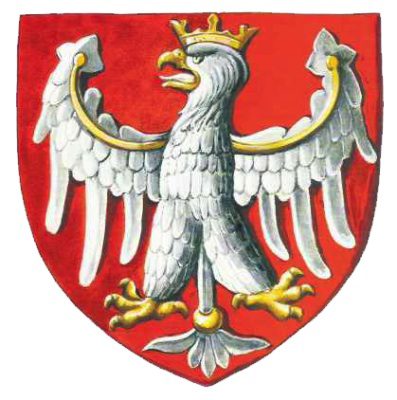
Auguries, Sorceries and Superstitions in the Medieval Manuscripts of the Jagiellonian Library

Published Post author

The following is a translation of an article by Maria Kowalczyk (aka Maria Kowalczykówna, a senior librarian of the Jagiellonian Library’s manuscript department), “Auguries, Sorceries and Superstitions in the Medieval Manuscripts of the Jagiellonian Library” (Wróżby, czary i zabobony w średniowiecznych rękopisach Biblioteki Jagiellonskiej) . It is an interesting compilation of the author’s notes that she scribbled down while working the manuscript department of the library.  It originally came out in 1979 but it went largely unnoticed until Leszek Kolankiewicz cited the article in his book Dziady (“Forefathers’ Eve”) as proof that Alexander Brueckner’s view of the Polish Pantheon as presented by Jan Długosz was in fact wrong.

Kowalczyk, namely, came across a sermon by Lucas of Great Koźmin (Łukasz z Wielkiego Koźmina) from 1405 or so which predated Długosz by about than 50 years and which predated any other source for Polish paganism.  It was obvious that Brueckner had not been aware of the existence of this source when he wrote his critique of Długosz’ interpretation of pagan Poland’s religion. So here we had proof that Długosz neither made it all up nor did he misinterpret things as Brueckner claimed (though, interestingly, Kowalczyk did not seem to understand that what she found sent Brueckner’s already-strained interpretation down the tubes). The excerpts from that sermon are here and the full sermon here.

One interesting aspect to this is that even the small fragment cited by Kowalczyk seems slightly different from the sermon from other manuscripts.  One notable exception is that the sermon mentions the God list three times but in Kowalczyk’s version based on MS BJ 1446, the list appears twice or, more precisely, the first time the idols are mentioned in the other manuscripts their names are absent in Kowalczyk’s citation. Similarly, there is a reference to Bacchus in the other manuscripts but in the Kowalczyk version the name Bacchus is absent.  Assuming that these differences are actually born out in the manuscript and Kowalczyk did not make a mistake it seems that the manuscripts differ (and there are also other differences in the text just looking at her short fragment) and that the copyist decided not to mention the names the first time around.  Why then he mentioned the list the second and third time it appears is, of course, puzzling.

Another mention is that of Quia which Kowalczyk seems to believe is in the BJ manuscript but which does not appear appear in at least some of the other manuscripts.

Without further ado, here is the article that sparked a minor renaissance in Polish pagan studies. All the numbered notes are the Kowalczyk’s – mine are only the asterisk notes. For the name Stanisław I use Stanisuav throughout to better help with the pronunciation.


In the medieval manuscripts of the Jagiellonian Library there survived a number of texts discussing various manners of auguries, sorceries and superstitions.  The most notable of those are four sermons by Stanisław [Stanisuav] of Skalbmierz [or Skarbmierz so aka Stanisław ze Skarbimierza], a professor of canon law at Krakow University (d 1431).  One of these he dedicated almost entirely to the study of various superstitions, that is the sermon Magistris non inclinavi aurem meam (Proverbs 5, 13), which sermon has survived in  a number of manuscripts as part of the sermon collection by the same author entitled De sapienta Dei [1].  In this sermon the author notes that despite the fact that many people go to church, it is not by any means certain that they follow the Catholic faith in accordance with the teachings of the Church.  For they commit many transgressions against the faith, which transgressions the preacher lists in a detailed manner.  This is the most extensive known sermon about magic sorceries – of which the author list about fifty different types.

Skalbmierz coat of arms

Though not as thoroughly, Stanisuav also mentions the matter of superstitions and transgressions against the faith in his sermon Hic venit [2].

In this sermon the author undertakes a dialogue with a superstitious interlocutor with the latter asserting that he cannot be comitting a sin if – while engaging in his superstitious rites – he also utters Catholic words and prayers and even employs holy objects.  The preacher eventually asks rhetorically, how should this person then explain the various superstitions such as incomprehensible and laughable spells, the calling of the wolf, offerings and writings (pictura verborum).

In turn the third sermon Domine Deus rex celestis Deus Pater omnipotent is found in a collection of sermons by Stanisuav of Skalbmierz (or Skarbimierz) called Super Gloriam [in excelsis]  [3].  While speaking of the various false gods that a Christian may fall prey to worshipping, he mentioned and described a series of superstitious practices.

Finally, only  a brief mention of such matters can be found in the sermon Et in unum dominum nostrum Ihesum Christum cilium Dei unigenitum in the series Super Credo [4].


[1] MS BJ 193, 118v-121v and other manuscripts, in which are found the sermons De sapienta Dei.
[2] MS BJ 191, 16v-20r.
[3] MS BJ 191, v. 170r-172v.
[4] MS BJ 190, 18r-20r.

All these collections of Stanisuav of Skalbmierz’ sermons existed already around the year 1415 [*note: for example, Super Gloriam was written during his stay in Prague in the 1390s as per Zawadzki].  However, other sermons of his were written at various other times.  Some had been prepared already at the end of the 14th century.

In the second part of his “Medieval Sermons” in the chapter entitled “Superstitions of the Polish People in the 15th century” [5] Alexander Brueckner published large fragments of four anonymous sermons, which had been in the keeping of the National Library in Warsaw up until World War II.  An examination of these sermons (originally kept at the Holy Cross monastery [6]) allowed me to conclude that, other than a few omissions and minor additions, they were largely taken from the sermons of Stanisuav of Skalbmierz.

Also a large fragment of Stanisuav’s sermon entitled Magistris non inclinavi had been added to the confessional materials contained in MS BJ 2540 from the first half of the 15th century [7]. Among contemplations on the topic of mortal sins is found chapter devoted to auguries and superstitions [8].  Therein are found the fragments taken from Stanisuav [9].  It is also worth noting that in that document there is found a Polish gloss “booze spor”, a name of a disease which was treated by measuring the sick man or animal with a thread [10].

Because the various superstitions listed by Stanisuav of Skalbmierz had already been discussed by Alexander Brueckner, I will only summarize them directing the reader to the above mentioned discussion of Brueckner’s and the fragments published in it.  First of all the various magics, superstitions and auguries were the province of women.  These so-called “vetules” popped up in towns and villages.  Many of the superstitious practices became part of the regular liturgical year cycle for they were associated with Christmas, Candlemas [Feast of the Presentation/Purification or Święto Matki Boskiej Gromnicznej], the Holy Week, Saint John’s Eve, the Feast of the Assumption of Mary, etc. They played the greatest role at Christmas.  The entire Christmas Eve was spent on festivities, playing dice, and inviting as guests those people who were considered lucky in the belief that they would bring luck [to the household].  Fire was not shared with the neighbors.  Also on Saint John’s Eve, people kept watch among entertainments and dances and superstitious practices.   Women and girls danced and played on Saturday nights.  On Holy (Maundy) Thursday, they did not wash the dishes after dinner so that the dead souls could have a meal.  Also for these souls did they toss out the leftovers.


[5] A. Brueckner, Kazania średniowieczne [Medieval Sermons], part 2, Rozprawy Wydziału Filologicznego AU, XXIV, 1895, pages 318[really 317]-347. [*note: Brueckner issued his Medieval Sermons series in three parts that were part of AU volumes 23 and 24 (or series II volume 9 and 10); these also contain other interesting publications like Władysław Nehring’s Kazania Gnieźnienskie and Brueckner’s Drobne zabytki języka polskiego XV wieku: pieśni]
[6] Warszawa, MS BN Lat. IQ 24, which manuscript was destroyed in World War II.
[7] The work begins Qui bene presunt presbiteri duplici honore habeantur digni (1 Timothy 5, 17) Do. X, cap. V, Ecce ego. Recipiunt enim in hac vita honorem reverencie… Sunt autem specialiter quatuor propter que sacerdotes sunt honorandi… The topic agrees with the summa De doctrina sacerdotali of Richard Wetherset but the proper incipit is different. Compare M. W. Bloomfield, “A Preliminary List of Incipits of Latin Works on the Virtues and Vices”, ‘Traditio’ XI, 1955, number 758.

[8] It begins Sors est ars divinandi, qui nunquam in bono accipitur…, MS BJ 2540, 228v.
[9] Peccant omnes illi qui contra dolorem oculorum per totam noctem a die Nativitatis Iohannis Bapitiste vigilant… X… Et multa talia supersticiosa et diversa et errores superseminati sunt, quod nec omnes de mundo magistrorum possent eos describere, in the same work, 232r-233r.
[10] Quandam infirmitatem vocant vulgariter b o z e  s p o r, in the same work, 232v.

Various priest-blessed objects were also used in superstitious ways – such as large wax candles [gromnice], Easter palms, fire, and especially blessed wax and water that had been blessed by the priests on Holy Saturday and herbs that had been blessed by the priests on the day of the Feat of the Assumption of Mary [Matki Boskiej Zielnej which means the Herb/Green Mother of God day].

Some superstitions and sorceries were intended to divine the future or assure prosperity.  One would read [the future] from the dripping of waxed candles, salt or herbs that had been blessed on the Feast of the Assumption of Mary or figure out the what coming across a hare or a wolf would portend.

The superstitions related to the various important events in a human life: birth, marriage, funerals.  For example, returning home from a funeral one would leave some ash at the home’s doorstep.  It was also the case that people would commission the dying to take care of their matters (after they crossed over).  The superstitions also translated into various activities.  For example, one would not set out any journey on a Monday.  Superstitions were also introduced when starting on the  building of a dwelling.

Superstitions were also associated with the various trades.  The farmers and gardeners who were dependent on the vagaries of nature were also especially prone to them.  From the blooming branches one would divine whether one’s livestock would multiply; one would not hold barehanded the rod or twig which was given at New Year’s – then used to drive the cattle out come springtime.  At the Feast of the Presentation [Purification or Gromniczna] one would walk around the house and the stables holding the candles [i.e., the gromnice]; then one would use fire to brand the cattle hair with the sign of the cross. When the farmers when out till the soil, they would tie an object to the horns of an ox and sprinkle ash that had been blessed by the priest on Ash Wednesday so that the wheel treads (of the wheeled plough). At Easter morning they would go around the field with a cross and the knife that had been used to cut meat at Easter was also used to cut cereal stalks so that the weeds would not grow amongst such crops. They would add something to the cereal so as to protect against rust [!]. They would invite the wolf to a feast so that he would not eat the sheep and they would not name the wolf at Christmas.  They would pour milk from a cow that had just birthed a calf behind them [for good luck?]; and they would refuse to sell milk or dairy products after sunset.

The innkeepers used all kinds of secret practices to ensure that they receive a lot of orders for beer. When buying a horse you were not supposed to use a bare hand to grab its bridle. Also contracts were agreed upon only while wearing gloves.  Hunters and fishermen would use all kinds of superstitions such as incense to help the sucres of an [upcoming] hunt.

However, the most magics and superstitions were practiced as part of the medical arts. Since there were relatively few actual doctors and medical advice was expensive, people turned towards the local old women who cured people using herbs, conjurations and magic.  It was believed that the inscription Lutum fecit Dominus ex sputa (John 8, 9) written during the reading of the Gospel at the fourth Sunday of Lent (Quadragesima Sunday or Invocavit Sunday after Ash Wednesday) can be used to treat eye ailments. It was also a belief that keeping watch on Saint John’s Eve (summer solstice) would avert eye disease.  That night people also wrapped the artemisia plant around their heads so as to prevent headaches throughout the year.  Garlic was attached to garlands and sashes.  Also some sort of small wooden boards would be attached to the brow with signs or writing.  Drawn lines, inscrutable words, signs, made with chalk or by other means were supposed to help with toothaches.

To cure various fevers, as soon as it was discovered that someone was suffering from it, some people would use a sort of a hand “manubrium” uttering words and making motions.  Others wrote words on an apple or wafers and gave these to the sick to eat.  There were also those who, fearful of falling ill with a fever, would not let anyone speak the word fever in their presence.  Another illness (unclear which one) which was called in Polish “miara” [measure] people tried to cure by measuring a person and his head with a thread.  That illness or a similar one, people also tried to cure by stomping on something.

Against ghosts [or anxiety?], people would pour molten lead or wax onto water.  Once this solidified they tied it on a child or on a sick person.  It was undesirable to drink while holding a light [candle] in one’s hand so as not to fall into an incurable illness. For this reason too one would not sit down on the door step.  For reasons unknown, one would chew on Easter wax and eat the [willow blooming] catkins from Easter palms.

One would pray during the new moon, kneeling and fasting even.  One would walk towards the sun to get rid of sickness.  Or would stick a nail in a tree.  Walking barefoot was believed to have medicinal qualities.  To read charms/bewitchments one would use elderberries.  While administering medicine one would pray “our Father, Credo.”  One would make a picture representing death and would walk it out in a procession out of the village.  In medicine one would take into account unlucky days, the so called “dies egypciaci.”

One would not let horses and cattle drink water in which hands (nogcie) had been washed so that they would not become stick with an eye disease (which was also called nogiec [hence the perceived connection]).  To treat this disease as well as uraz one would use farcical enchantments [?].  To treat household animals one used fire that had been blessed on Holy Saturday. Herbs blessed during the Feast of the Assumption were used to treat cattle and to shoe away demons by sticking them onto the house and in the cowshed.  One would place a [piece of paper with?] the name of Saint Luke written on it since his symbol is an ox.  In the conclusion of his sermon Magistris non inclinavi Stanisuav of Skalbmierz says that one writer is unable to write down all the superstitions especially since they always multiply as new ones arise constantly.

Of course, Stanisuav, being a cleric, saw all these practices from his own religious vantage point.  Therefore, to fight such superstitions he used primarily theological arguments.  He asserted that those who attach incomprehensible caracteres to sick people, receive blessings from old women [as opposed to priests], and those who believe that diseases and human ailments may be cured, create a false god; in his opinion, they wound the faith, steal from Christ, flee from the light. He warned that one should not worship either the Sun or the Moon for veneration is owed only to God who created them.  In the sermon Hic venit Saint john is made to address his audience to ask whether he who came as a witness of truth is to be seen the same as those who try to find salvation in various [ritualistic] writings, apocrypha, signs, plants, wax, lead, wood, stones, carvings, empty words, inane blessings, curses.  Stanisuav also appealed to common sense.  He encouraged his listeners to hearken more to doctors than to old women.  He said, for example, that the sheep will be better protected from the wolf by being closely guarded rather than by avoiding the uttering of the wolf’s name. He tried to convince that a sickness is best driven away not by using a thread but by applying medicine [whatever that “medicine” may have been]. He ridiculed those who would scribble down various words and signs which were understood by no one and those who would take as blessed that which had not been and is not blessed.

It is not easy to determine how much of the writing of Stanisuav from Skalbmierz is original since we still know very little about his models.  While it is true that there is a treatise by the Silesian Nicholas from Jawor De superstitionibus, which is known from various XVth century copies but Stanisuav’s sermons do not appear to have made any textual borrowings from that treatise [11].  However, already Zofia Kozłowska-Budkowa drew attention to the influence of Czech preachers [12].  In their sermons too does the problem of sorcery and superstition appear sharply. What’s more, one can see that Stanisuav’s sermons are dependent on those.

MS. 1396 (written at Plock in the year 1414 it originated from the library of the Plock preacher Jacob of Piotrkow) contains a synodal sermon Sacerdotes contempserunt written by the Czech preacher John Milicz from Kromieryz – from which we learn that not only the common people but also priests, especially clergymen took part in various superstitious practices. In agreement with local women and sometimes in exchange for money, during their first [?] masses they put on belts (or straps/girdles) which were then later used in superstitious practices (of unclear type); during the gospels being read they would write various words on communal wafers, laurel leaves and cards designed to counteract fevers or other diseases such as Ihesus autem transiens etc. or the already mentioned Lutum fecit Dominus ex sputa. On Palm Sunday during the reading of the Passion they would cut out the aforementioned crosses.  They created amulets (“ligature“), which were then worn by superstitious, illiterate people. Therefore, the preacher [John] concludes that those priests who engaged in such practices or who permit that others do so, are not priests of Christ but of Baal or Belial [13].

The same [John] Milicz in a sermon for the feast of Saints Simon and Jude [Judas Thaddaeus] entitled Principes apostolorum (a part of the compilation known as Abortivus) raises the issue of superstitions. In MS. BJ 1645 a glossator observes at this juncture: Nota been contra incantatrices et incredulous [14].


[11] See A. Franz, Der Magister Nicolaus Magni de Jawor, Freiburg 1898. It also could not have been taken from Katalog magi Rudolfa, pub. E. Karwot, Prace Etnologiczne, v. 4, Wrocław 1955 and the rev. G. Labuda, “Studia Źródłoznawcze” III, 1958, p. 314.
[12] Z. Budkowa, Sermones Sapientiales Stanisława ze Skalbmierza, “Sprawozdania Polskiej Akademii Umiejętności” LIII, 1952, p. 395. See also Largum sero Marcina z Holeszowa, MS BJ 1400, p. 337-353.
[13] Sunt et alii sacerdotes vel clerici, qui sacramentis abutuntur in suis vel mulierum coniuracionibus, incantacionibus, sortilegiis. Sunt qui in missis suis novis vel primis amorem mulierum vel precio vel pecunia conducti cingunt se cingulis ad supersticiones faciendas. Sunt qui scribunt contra febres vel infirmitates super hostia, super lauri baca, super cedula, vel scribunt illud Ihesus autem transiens etc. vel Lutum fecit Dominus ex sputo etc. quando ewangelium legitur ac si illa verba evangelii non valerent alio tempore scripta, quam cum evangelium legitur, quia hoc est supersticiosum, quod tempore illi creditur, vel incidunt cruce infra passionis leccionem in in die Palmarum vel ligaturas faciunt… Hi sacerdotes Domini sed Baal, non Christi sed Belial. Vertunt enim letanias sanctorum in invocaciones demonum, Ioviniani sunt non Christiani…, MS BJ 1396, 273v.
[14] Ad hoc eciam pertinent omnes ligature et remedia, que eciam medicorum disciplina condempnat sive in verbis sive in caracteribus sive in quibuscumque rebus suspendendis vel ligandis vel solvendis, vel qui credit in occursum lupi, leporis vel hominis, vel qui sperat in inicia fori, vel contractus… quidam adorant lunam et murmurant in novilunio, pecunias ut augmententur. Quidam observant dies egipciacos… Quidam contra febres vel dolorem dencium, capitis vel oculorum in pomo vel lauri baca, in plumbo in hostia, sive qui scribunt Lutum fecit ex sputo Dominus sive Ihesus autem transiens etc. infra evangelium, incidunt cruces infra passionem que ideo supersticiosa sunt… Coniurant quidam serpentes… Caveatis quibus sanare homines vel peccora quandoque conantur, quia ut plurimum admiscent aliqua ut mensurare hominem vel pecus vel spuere vel insufflare vel police tangere vel cereo digito et non alio quidquam ad hoc pertinens facere et talia in vestris ecclesiis facere prohibetis… Quidam eciam per artem notoriam scienciam nituntur aquirere… Quidam in sacramentis de crismate et oleo faciunt sortilegia. Caveant ne sint irregulares…, MS BJ 1645, 153v, compare too MS BJ 1175, 327v.

A student of Stanisuav from Skalbmierz, Lucas from Great Koźmin, a professor of theology at Cracow University, who died in 1412, speaks against superstitions and magics  in several sermons contained in his postilla. While discussing the text of the evangelical pericope regarding the wedding at Cana [where Jesus turned water into wine, resulting in mass inebriation and several “angry drunk” incidents], he mentioned that, in his time, “old wives,” witches and fortune tellers were being invited to weddings so as to foretell the future [presumably of the married couple] [15].

Koźmin coat of arms – Prussian version

In his sermon for the second Sunday of Lent, while discussing the story of the Canaanite woman [Matthew 15.22 or Greek, Mark 7.24], who’d asked Christ to cure her daughter who was tormented by Satan [demon really], upbraids women of his own time, saying that they, instead, engage with the devil when they medicate themselves and their children by incantations and amulets [nawąz, presumably from wiązać referring to tying of plants in some sort of a wreath?] [16]. Therefore, [according to Lucas] Jesus said to the Canaanite “Woman, great is your faith!” but to those other women [Lucas’ contemporaries], he would have said [according to Lucas]: “Great are your incantations and great are your magics.” Lucas also speaks of old women, alewives who gave themselves to superstitions, in his sermon for the Assumption of Mary [17].

An interesting detail found itself in Lucas’ sermon for the Green Week/Pentecost regarding Si quis diligit me ([Anyone who loves me] John 14.23). He mentions in this sermon namely relics of a pagan past, disappearing then under the influence of the Christian preachers; these dances and parties, during which were uttered the names of alleged pagan Gods: Lada, Yassa, Nia [18]. This same was repeated about fifty years later by Jan Długosz [19].


[15] MS BJ 1446, 167v, compare J. Wolny, Materiały do historii wagantów w Polsce średniowiecznej, “Biuletyn Biblioteki Jagiellońskiej” XIX, 1969, page 80.
[16] …non ad Deum sed magis ad dyabolum, scilicet ad artem eius puta ad incantaciones, ad sortilegia vetularumque ligaturas, que eciam libri medicorum condempnant, recurrunt, et tunc cum faciunt voluntatem dyaboli ipso cessante vexare estimant incantaciones illas vel illa sortilegia seu ligaturas ipsos vel ipsorum filios filiasve dixerim sanare… autem mulieribus posset dici o mulier magna est luxuria tua, magna est incantacio tua, magna est ars sortilega tua. MS BJ 1446, 199v, 203v.
[17] Same at 257v,

[18] Hoc deberent advertere hodie in choreis vel in alibi in spectaculis nephanda loquentes, in cordibus immunda meditantes, clamantes et nominantes ydolorum nomina, [] et attendere an possit referri ad Deum Patrem. Certe non. Venit ad summum bonum, nisi quod bonum. Non enim festa libere [] quales proh dolor celebrant ex remanenciis rituum execrabilium paganorum, quales fuerunt predecessores nostri, pervenire poterint ad aures, nisi ad ulciscendum, sicuti ascenderat clamor Sodomorum et Gomorrorum.  Nam in hoc festo liberi fiebant turpes  denudacione et alia turpia, que dicit Apostolus eciam non nominare gracia domini Dei. Tamem talia iam auctis predicatoribus, cessantur et in multis locis cessaverunt…. Non est aliud nomen sub celo in quo oportet nos salvos fieri. Non enim salvatur in hoc nomine Lado, Yasa, Quia, Nia, sed in nomine Ihesus Christus… Non Lada, non Yassa, non Nia, que sunt nomina alias ydolorum in Polonia hic cultorum, ut quedam cronice testantur ipsorum Polonorum… Same at 268v-269r.
[19] See B. Ulanowski, Kilka uwag o statutach synodów diecezyalnych krakowskich, Archiwum Komisji Historycznej V, Kraków 1888. page 27; Ioannes Dlugossius, Annales seu Cronicae incliti Poloniae, v. 1, Varsaviae 1964, page 106; Brueckner, same as above pages 10-11; the same, Encyklopedia staropolska, v. II, Warszawa, Kraków 1937, page 181, where he states that these are not names of pagan Gods.   


In MS BJ 1619 from the year 1407, containing a large number of sermons with Polish glosses (which also contains the oldest version of the Bogurodzica [mother of God, Polish hymn]), in the sermon regarding Nupcie fact sunt  there is a [description of] superstitions related to marriage (such as entering the house with the right foot first) [20].

The archdeacon of Gniezno, Peter Wolfram (died 1428), owned a manuscript which contained a sermon to the clergy entitled Ierusalem, Ierusalem, que occidis prophets (Matthew 23.37) of unknown authorship, in which he upbraided those [amongst the clergy?] who continued using superstitious practices [21].  The Sermo de S. Mathia regarding Surgens Petrus (Book of Acts of the Apostles 15.7) in MS BJ 2513 from the first quarter of the 15th century discusses auguries/ fortune telling (the manuscript also preserves the sermon of Marcin of Holeszow) [22].

Also Jacob of Piotrków, a preacher from Płock (d. 1447), talked on Palm Sunday about superstitions connected with the Holy Week; we know this because on the backside of a letter he personally wrote down directives in this matter, that is, an injunction against swallowing [willow blooming] catkins, against the preparation of crosses, against the placing of bread underneath the cross, against the strewing of ash, and against abuses [of what kind ?] with the [holy?] fire and holy water on Holy Saturday [23].

From a recommendation written by Kasper Rockenberg, the later decretist [Decretum Gratiani], at the occasion of the awarding of the bachelor of arts degrees at Cracow University, we learn of another superstitious practice. We find out that Kasper suffered from a fever but was able to get rid of it when, on the advice of one of the university masters, he transferred the said fever pursuant to a notarized deed – and without a right of repurchase – to the Jew Zacharias [24].

During Lent, pastors would read to their congregants the so-called prohibitions a communion paschal, so that they would know which sins would prevent them from being admitted to the Holy Communion during Easter. The registers [of such sins] have survived in several fifteenth century codices of the Jagiellonian Library. Among others, mortal sins included the practice of magic and superstitions, sometimes just being mentioned in general form, for example Item incantatricibus [25]. But we also find more detailed descriptions:


[20] MS BJ 1619, 96v.
[21] Sed heu nonnulli faciunt qui per vanas benedicciones per fatuas aplicaciones rerum quarumlibet querunt faustum vel procurant fieri infaustum… Taceo de illis, qui tempora observant et rebus sacramentalibus abuntur, querentes inde faustum ceram fundentes vel plumbum, MS BJ 2459, 207v-208r.
[22] MS BJ 2513, 358v.
[23] Dicendum in die Palmarum. Ne abuntantur ramis gluciendo, cruces parando. Item de pane posito sub cruce. Item de audicione passionis. Item de cremacione ignis feria quarta. Item de cieccione pulveris postea. Item ut feria 5 ieiunietur. Item ne igne et aqua consecratis errent. Item de pane benedicendo. Addition BJ 225/70, compare M. Kowalczyk, E Belcarzowa, F. Wysocka, Glosy polskie Jakuba z Piotrkowa i innych autorów w rękopisach Biblioteki Jagiellońskiej, “Biuletyn Biblioteki Jagiellońskiej” XXIII, 1973, page 86.
[24] MS BJ 2459, 263v-264r, M. Kowalczyk, Krakowskie mowy uniwersyteckie pierwszej połowy XV w., Kraków 1970, page 94. [my note: Kasper came from a local German town family so whether this practice could be Polish or German we can’t tell.  One wonders who could sue under the deed if Rockenberg had instead died – Zacharias who would not have gotten the desired (?) fever or the relatives of Rockenberg!? If there was a payment made for this “transfer” who paid whom?].
[25] MS BJ 1619. 55r.

Item omnes divinatores, incantatores, vel incantatrices… Item omnes benedicentes oculos, caput, dentes seu quascumque infirmates in hominibus et in animalibus, alia mala contra Deum facientes non admittantur. Item omnes demones pro furtis vel pro perditis coniurantes. Item omnes betheniam fugantes vel fodientes.

Magic figures also on the list of sins whose absolution was reserved for the bishop:

Ad episcopum mittuntur… maiores sorciarii maxime qui baptizant ymagines et qui ymolant demonibus [26].

During a bishop’s episcopal visitation, investigations were conducted to determine whether there were any witches in the parish. In MS BJ 399, which belonged to the afore-mentioned Jacob of Piotrkow, there are queries put together in connection with such a visitation; several of those have to do with magic and superstitions. Specifically, this a fragment from the third book of Decretum [or Decretorum libri viginti] by Burchard [the bishop] of Worms [De aeclesiis (“on the congregations”)]. In the same codex is found also initial fragments from the nineteenth book of Decretum [De paenitentia (“on penitence,” or “Corrector Burchardi”)]. Those fragments appear under the name Corrector et medicus. Therein, a large part of the text is devoted to matters of interest to us [27]. Since codex BJ 399 had been copied in 1420, we can infer that these texts which had been written at the beginning of the 11th century were still relevant in the territories of Poland [in the 15th century].

In 1888 B. Ulanowski [28] published a questionnaire from MS BJ 143 related to an episcopal visitation of the Włocławek diocese dated to, probably, the 14th century. By means of this questionnaire the clergy also investigated magic and superstitions. A similar text has been preserved in MS BJ 2415 from 1415, which belonged to a doctor decretorum [of decrees] of Cracow University, Nicholas Spiczmeri [Nicolai Spiczmeri].  It contains the following question:

Item an sunt aliqui sacrilegi, incantatores vel divinatores cum invocacione demonum, aut aliorum nominum, aut aliquas supersticiones facientes et servantes [29].

It is also worth noting that such investigations were also undertaken to see if a parish did not harbor Wycliffites or Hussites. Also in the chapter discussing usury, there is a Polish gloss “wplath” [30].

The rather plentifully preserved in the Jagiellonian Library manuals for confessors also discussed auguries, magics and superstitions. Unfortunately, although there exist editions of confessional summas [31], it is difficult to establish, at least for now, their authorship or even to determine whether any of them were written in the territories of Poland. MS BJ 2213 from about 1450, contains the Tractatulus multum utilis pro confessionibus which features a small Polish insert:


[26] MS BJ 2397, 283v, 279v.
[27] See edition PL 140, 573-579, 949-962.
[28] B. Ulanowski,  Modus inquirendi super statu ecclesie generalis z pierwszej połowy XV stulecia, Archiwum Komisji Historycznej V, Kraków 1888, page 228.
[29] MS BJ 2415, 232v.
[30] Item an aliqui mutant pecunias super usuris vulgariter w p l a t h…, in the same.
[31] P. Michaud-Quantin, Sommes de casuistique et manuels de confession au moyen âge, Montreal 1962.

Prosta, pocorna spowyecz ma bycz, czysta y vyerna, czasta, odthcrita, rostropna y dobrowolna, srmyeszlyva, czala, tayemna, rychla, placzacza, moczna, poszluszna y tesz nasza zaluyącza [32].

Among the sins committed by means of an affirmative act there are listed the following:

Sortilegys, auguriis aut divinacionibus intendere. Karacteres, scripturas, in plumbo aut in aliquo alio coligaturas plumbi fusi vel cere vel alicuius alterius non medicionalis differe atque in his contra preceptum Domini et ecclesie spem ponere [33].

In the short instruction which begins with the words Sacerdos, qui debet confessions recipere…, in the codex BJ 2403 there features the following query:

Si corpus Domini servasti in ore tuo vel posuisti ipsum in aliquo loco indigno propter incantaciones faciendas…[34]

The above-mentioned MS BJ 2397 from 1418, attached to which has been preserved the will of Mikolaj Wisliczka also contains short texts dealing with confession. One of them begins with the words Post modem querat de denim preceptis and contains the following question in the part dealing with the sins violating the First Commandment:

Querat ergo utrum experimenta vel incantaciones vel coniuraciones pro mulieribus vel sortilegis pro rebus inveniendis fecerit vel auguria servaverit vel divinaciones vel demones consulerit.

As regards the Third Commandment, the confessor was supposed to ask the following:

…si in festis ad ducendas choreas vel spectacula ad videnda exivit vel sicut est consvetudo in aliquibus partibus in vigiliis sanctorum et in ecclesiis cantilenas luxuriosas cantare. Quod grave peccatum est.

In the notes towards the end of the codex there is a copy from some kind of a penitential regarding superstitions involved in taking Communion:

De mulieribus, que corpus Domini tenent in ore et osculantur viros suos. Sorciarie, que corpus Domini in ore retinent et cum ipso osculantur amasios suos, ut eos habeant coniuges omnibus diebus sue vite peniteant… Similiter ille qui crismate meleficia procuraverit penitendus est ad arbitrium sacerdoties vel de aliis sacramentis… Omnes srciarie graviter sunt penitende tanquam ligate comunicacione generali [35].

In the confessional manual contained in MS BJ 2540, to which has been attached a fragment of a sermon by Stanisuav of Skalbmierz, we find a chapter beginning with the words Sors est dedicated to discussing auguries and magic. The matter of wearing amulets is discussed and, among others, the following question is raised:


[32] MS BJ 2213, 194r.
[33] Same, 199r.
[34] MS BJ 2403, 169v.
[35] MS BJ 2397, 277v-278r, 281v.

Utrum cartle et alligature circa collum infirmorum contentes verba evengelica aut versus psalterii vel alia divina verba suspendere circa collum sit peccatum?

Another chapter, entitled De imaginibus. quasi facing astronomi discusses the pictures/drawings that were being made by astrologers [36]. In turn, the Casus penitenciales secundum iura which is contained in MS BJ 2151, dated from the first quarter of the fifteenth century, sets out atonements for various mortal sins. Among other things what is discussed there includes instances of soothsaying and magic: “qui videt in astrolabio” as well as “sortilegus” [37]. Another source is the fourteenth century Determinaciones diversorum casuum by Stephan of Rudnice (who was the vicar general of Ernest of Pardubice) in MS BJ 2220 which also touches upon magic and superstitions; perhaps this was a source of some of the discussion by Stanisuav of Skalbmierz [38].

The short Questiones vulgares de apparition mortuorum (MS BJ 2121 from the fourteenth century) contains matters regarding magic, for example, Posse vel non posse anima, que ex hac vita migravit, magicis carminibus evocari et vivorum apparere aspectibus… An sit aliqua virtus in caracteribus [39]. 

In the anonymous Questiones de Eucharista in codex BJ 1395 from about 1430, which belonged to the theologian Paul of Pyskowice, there is the matter of Utrum divinatoribus, sortilegus et carminatricibus debeat dari corpus Christi. Et videtur quod sic [40].

It is known that in the fifteenth century Cracow’s scholarly circles, people concerned themselves not just with astrology but also with magic.  For example, in the 1410 letter by the queen Anna of Cilli [second wife of Wladyslaw Jagiello] to the Pope, we have described an otherwise unknown Nicholas who is supposed to have engaged in secret practices [41]. During the 1428-1429 trial of the royal astrologer, Henry the Czech, it was revealed that both crystal gazing and black magic were practiced in Cracow [42].

Because the line between that which was permitted by the Church, that is between black and white magic, such matters were subject to heavy debate also at Cracow University. In MS BJ 2070 from the second quarter of the fifteenth century, the following matter has been preserved: Utrum futurorum divinacio, ex genere duo illicita, in alliquo casu sive eius specie determinata ab ecclesia, licite sit tolleranda. Quod questio sit vera… [43] which was, perhaps, written by or under the direction of Thomas Strzemplinski, a professor of decrees, later theology and, eventually, a bishop of Cracow. The author cites Augustine, Isidore, Thomas Aquinas, William of Paris, the Decretum [and] the Summa [de casibus poenitentiae] of [Saint] Raymond of Penyafort.    The author also discusses different types of fortune telling and magic. He seeks to prove that the “carminatores” [spell chanters], if they incant against diseases without connection to any demons, do not commit mortal sins. Nevertheless, he concludes that the practice should be prohibited since the permitted spells are often mixed up with the forbidden. Naturally, he stresses that one should never summon demons although it is permissible to bind them in the Name of the Lord so that they would not harm the people.


[36] MS BJ 2540, 228v-233r.
[37] MS BJ 2151, 264r.
[38] MS BJ 2220, 21r; ed. R Zeleny, The Quaestiunculae of Stephan of Roudnice, “Appolinaris”, 38, 1965, pages 236-283, 372-405.
[39] MS BJ 2121, 44r, 48.
[40] MS BJ 1395, 288r, see Z. Włodek, Paweł z Pyskowic, Materiały is Studia Zakładu Historii Filozofii Starożytnej i Średniowiecznej V, page 154. 
[41] J. Zathey, Per la storia dell’ ambiente magico-astrologico a Cracovia nel Quattrocento, in Magia, astrologia e religione nel Rinascimento, Convegno polacco-italiano (Varsavia: 25-27 settembre 1972), Warszawa 1974 (Accademia Polacca delle Scienze […]. Conferenze, fasc. 65), pages 99-109; also see R. Ganszyniec, Pas magiczny, Archiwum Tow. Naukowego we Lwowie, Dział I. v. I, number 6, Lwów 1922; Modlitewnik Władysława Warneńczyka w zbiorach Biblioteki Bodlejańskiej, edited L. Bernacki, R. Gaszyniec, W Podlacha, Kraków 1928, page 72 and others. 
[42] A. Birkenmajer, Sprawa magistra Henryka Czecha, “Collectanea Theologica” XVII, 1936, pages 210 and others.

De carminatoribus vel eciam carminatricibus qui carminant infirmos vel pueros vel alia aliqua circa ipsos faciunt eciam est dicendum secundum Wilhelmum, quod si nichil supersticiosum dicunt aut docent aut faciunt… non credo, quod peccent mortaliter… Sed credo, quod prohibendi sunt viri et mulieres a talibus, quia multa inutilia et supersticiosa solent admiscere nisi forte sit sacerdos, religiosus et discretus aut eciam laycus sive vir sive mulier excellentis vite et probate discrecionis, que fusa oracione licite super infirmum non super pomum vel pirum aut cingulum aut similia super infirmantes manus imponat iuxta illud Marci ultimo [16, 18] Super egros manus inponent et bene habebunt. Nec sunt hee persone prohibende a talibus nisi forte timeatur, quod ad exemplum illorum et indiscreti et supersticiosi carminatores sibi abusum usurpent… Sic eciam si portentur reliquie ad fiduciam Dei et sanctorum non erit illicitun. Si aut circa hoc attendatur aliqua aliud vanum puta quod vas sit triangulare vel aliquid huiusmodi… supersticiosum erit… [44]

From this Church questionnaire we learn details about auguries/prophesizing [and] amulets which in Old Polish were called nawęzy [singular nawąz]. To fight off disease, the above-mentioned notes were written down and attached onto the human or on an animal. Of course, all these practices were condemned [by the Church] for religious reasons:

Ad supersticionem pertinent omnes ligature atque remedia que medicorum disciplina condempnat sive in precacionibus sive in quibusdam notis, quos caracteres vocant, sive in quibuscumque rebus suspendendis atque alligandis que miciori nomine phisicam? vocant, ut quasi non supersticionem implicare…

Sive qui attendunt sompnalia scirpta et falso Danielis nomine intitulata et sortes, que dicuntur sanctorum apostolorum, auguria avium aut aliqua pro domo facienda aut coniugio complendo aut in colleccionibus herbarum carmina dicunt aut pitaciola pro quavis infirmitate scripta super homines aut animalia ponunt, preter Symbolum et Oracionem Dominicam… Qui autem talibus credunt aut ad eorum domum euntes, aut suis domibus introducunt et interrogant, sciant se fidem Christianam et baptismum prevaricasse et paganum ac apostatam et retro abeuntem et Dei inimicum iram Dei graviter in eternum incurisse nisi ecclesiastica penitencia enendatus Deo reconcilietur [45]. 

We learn too that these co-called “caracteres” contained Hebrew angel names, unintelligible for most.  Nevertheless, it was feared that something may have snuck in there that was forbidden by the Church:


[43] MS BJ 2070, 150r-181r.
[44] Same, 160r-160v.
[45] Same, 155r, 167r.

…nunc multi aliqua nomina hebrayca angelorum confingunt et alligant, que noni ntelligentibus metuenda videntur. Est ecuam cavendum ne aliquid falsitatis contineant… deinde 20 cavendum est ne cum verbis sacris contineantur ibi aliqua vana puta caracteres inscripti preter signum crucis… [46]

How these 14th century signs looked like we can see in the fragments attached to MS BJ 1309. Here there are mentioned angels standing super gradum VII and there is a listing of the signs which you were supposed to write [or etch] onto a silver plate/plaque to protect against ghosts as the damaged text informs us:

…scribe angelos supradictos cum karakteribus istis in tabula argentea et porta supra pectus tuum et non timeas [47].

In MS BJ 551, dating from the 14th century, there was added at the beginning of the 15th a list of a number of magical customs: the welcoming of the new moon, that is kneeling, recitation of transcribed prayers [48] and other practices. When engaging in such practices, it was noted, one must have at the beginning declared/decided to remain in the Catholic faith. The codes also contains other magical practices, for example, a recipe for a love potion.  Some of these have been entirely blotted out with ink.

In those days another popular belief was in the magical power of stones. Such belief reached into antiquity. Even the Catholic Church engaged in the practice of blessing stones. In theological works of the period we find discussions of the symbolism of stones, especially the precious ones. Medieval doctors also utilized stones as medicines. In the Jagiellonian Library manuscripts there are a number of treatises de lapidibus [“Regarding Stones”]. An interesting anonymous treatise has been preserved in MS BJ 778 [49], which belonged to Jacob of Dobra, a professor of medicine at Cracow University [d. 1447]. The Incipit [the beginning] of his Abesten lapis latine dictum, qui in Greco Odolfanus dicitur, Fetularinus perisces in Caldeo nuncupatur… does not appear in the library’s catalogues/inventory. The treatise is, however, undoubtedly largely a compilation of other sources.  There appear in it fragments taken from Aristotle, Saint Albert the Great [bishop of Cologne], Matthaeus Silvaticus [or Mattheus Sylvaticus] and others but there are also interesting annexes dealing with German controlled lands of the Mark Brandenburg. This treatise was compiled sometime around 1300 since Přemysl Otakar II [king of Bohemia] (died 1278) is mentioned in it as dead, his son Wenceslaus II Přemyslid (1275-1305) as being king of Bohemia and Henry [III] the margrave of Meissen/Misnia (died in 1288) as also dead. The author in alphabetic order describes about 100 minerals and other stones. Included is an external description of the stone, locations where it could be found, its properties, what it is useful for, how to wear/carry it and what it should be framed/set in. For example, a diamond (adamas) when attached onto the left side of the body restrains anger, and increases wealth. It should be set in gold, silver or an alloy of these metals (electrum).


[46] Same, 159v.
[47] MS BJ 1309, Ir-Iv See also R. Bugaj, Nauki tajemne w Polsce w dobie odrodzenia, Wrocław 1976.
[48] In novilunio cum primo perspexeris lunam flexis genibus dic hunc versum Illumina domine vultum tuum super nos et fac hoc, quam diu vixeris. Et tunc vade domum ad cameram tuam devoveno, quod nunquam peririum voluntarie volueris facere et quod in fide katholica semper volueris perseverare et dic aliquias oraciones… MS BJ 551, 109v.
[49] MS BJ 778, 200r-210r.

When discussing the properties of beryllium, asserts that one of its alloys/types is possessed by frogs/toads. At this point he introduces a fable, heard allegedly in Styria [Steiermark] about the Czech king Otakar II. When he and his army entered Hungary and the soldiers were resting, a giant toad (the size of a dog) was to have run through the camp who probably held such a stone for no one attacked it.

In this treatise  there are mentioned numerous places primarily located in Germany in which one is able to find these stones. For example, the author states that jacint may be found in the Saale [Solawa] which in Franconia [Franken] is called Christian but when it enters Saxony is called pagan. The treatise mentions a scientist by the name Ulderic who worked in the area of Goslar. A part of the treatise (dealing with love) has been blurred out.  When discussing magnesium, the treatise mentions a chamber near Freiburg in Meissen/Misnia.  In one part of chamber one could hear what was being discussed in the other.

After discussing the last (alphabetically) stone (zigrutes), the author moves on to the art of making amulets and different ways of attaching stones [50], something that he largely lifted from Albert the Great.

To conclude this review of the Jagiellonian Library manuscripts containing materials dealing with auguries, sorceries, superstitions and magic, I would like to stress that this is hardly a result of a systematically undertaken inquiry but only a compilation of notes taken [by me] while working in the manuscript department of the Jagiellonian University. Therefore, this review can hardly be seen as complete. Nevertheless, this inquiry confirms that magic, auguries and superstitions were widely spread in Polish lands in the 15th century.

Moreover, these materials demand an edition by specialists, ethnographers, especially since often older (even 11th century) non-Polish texts or fragments [51] were being being copied in the 14th and 15th centuries.  Especially the sermon of Stanisuav of Skalbmierz Magistris non inclinavi aurem meam, which, shortly, is supposed to appear in print together with the entire collection De sapienta Dei, deserves this kind of an edition and printing in Polish.


[50] Perhaps the gold-plated dragon tongue mentioned in a court record served as this kind of an amulet. Offic. Crac. 15, page 426.
[51] The fragment …qui credunt de nocturnis temporibus equitare cum Dyana et Herodiade… which appears in Stanisuav of Skalbmierz sermon [enttiled] Domine Deus rex celestis is present in  Burchard’s [the bishop of Worms’] Decretum [or Decretorum libri viginti] as well as in a number of above discussed texts in MSS BJ 2121, 48; 2070, 152v. 

Copyright ©2017 jassa.org All Rights Reserved

January 26, 2018

Rashi on Ballynia

Published Post author

Nahum

The Book of Nahum is the seventh book of the 12 minor prophets (a portion of Nevi’im Aharonim) of the Hebrew Bible.  He wrote towards the end of the 7th century B.C.

Its chapter 1 begins as follows:

1 The harsh prophecy concerning Nineveh. The book of the vision of Nahum the Elkoshite.

א מַשָּׂ֖א נִֽינְוֵ֑ה סֵ֧פֶר חֲז֛וֹן נַח֖וּם הָֽאֶלְקֹשִֽׁי

This refers to Nineveh, the capital of the Neo-Assyrian Empire until its fall about the year 612 B.C. when, after a period of civil war, it was eventually destroyed by the Neo-Assyrians’ former subjects (Babylonians, Medes, Chaldeans, Persians, Scythians and Cimmerians). The Neo-Assyrians (911-612 B.C.) were the successors to the Old Assyrian Empire (circa 2025-1378 B.C.) and the Middle Assyrian Empire (1365-1050 B.C.).  They spoke Akkadian but Aramaic was also in usage.  Anyway they conquered a lot of places and one of those was Israel. The Israelites (and others) did not like being taken over and one of them – Nahum – wrote of the downfall of Nineveh (though it is suspected that he wrote his “prophesy” after the actual downfall).

Now, this is what the Bible Gateway website has to say about the term “Elkoshite” mentioned to describe Nahum:

ELKOSH, ELKOSHITE ĕl’ kŏsh, īt (אֶלְקֹשִֽׁי). A term used to identify Nahum the prophet (Nah 1:1). It prob. refers to a place, but if so, the place is unknown. Several possible locations have been proposed: 1. A site in Galilee called Elcesi. Jerome thought this was the site. 2. A site in Mesopotamia N of Mosul near the Tigris River. Nestorius was the first to suggest this site. A so-called “tomb of Nahum” is found at Elqush N of Mosul. 3. A site in S Judah, prob. Beit Jibrin between Jerusalem and Gaza. This supposition has the merit of Nahum’s apparently having been from Judah. 4. The most apparent site, but one doubted by most scholars, is כְּפַר נַחוּם i.e. Capernaum, the village of Nahum. This is the village on the N shore of the Sea of Galilee where Jesus taught frequently in His earthly ministry. It must be emphasized that there is no real evidence for any of these sites. Perhaps the site is yet to be discovered, if indeed a geographical site is intended.”

Rashi

Anyways… quite some time later you had Shlomo Yitzchaki (1040 – 1105) aka Rashi, a rabbi in France (born in Troyes, Champagne) write a commentary on (among other writings) Nahum the Elkoshite and his book.  Of course, he, like others,before and after him did not know where Elkosh was but he, like others, tried to interpret this name based on his own then current knowledge.  That knowledge apparently included knowledge of a kingdom in the East of Europe and a city in it – the Polish Olkusz.

The following comes from that commentary:

“Chapter 1

‘1 The harsh prophecy concerning Nineveh

Heb. מַשָׂא . The burden of the cup of the curse [which was] to be given Nineveh to drink.

‘The book of the vision of Nahum the Elkoshite’

חזון is vowelized with a “kamatz” (חָזוֹן) since it is not in the construct state, and it is unlike “ חֲזוֹן יִשַׁעְיָהוּ ,” the vision of Isaiah, which is vowelized with a “hataf pattah.” This is its meaning: A book of vision has already been written concerning it [Nineveh], the prophecy of Jonah son of Amittai; and now, again, Nahum the Elkoshite prophesied this harsh prophecy over it. Elkosh is the name of his [Nahum’s] city. And so did Jonathan paraphrase: In early times, Jonah son of Amittai prophesied concerning it, and they repented of their sins, and when they continued to sin, Nahum of the house of Elkosh prophesied further concerning them.

‘the Elkoshite’

That city is in the province of Ballynia, which is in the state of Eretz Israel, although it is outside the Holy Land. Proof of the matter is that there is gold, silver, and salt dust near it because the Dead Sea, which is near Eretz Israel, goes there under the earth. In this state they do not crown a king the son of a king [i.e., the throne is not hereditary]; and they are of the seed of Judah. [Sod Mesharim]”

Thoughts

“Ballynia” refers to – probably – Poland.  What Rashi was doing was trying to figure out where Elkosh was and, knowing of Olkusz in “Ballynia”, he came up with that as the place for his ancient Nahum.

Now, Olkusz supposedly has a German etymology (it lies near Katowice) and its rise is tied to German colonization of Silesia.  Officially, the name appears first only in the 13th century (after the Mongol invasions when local rulers were trying to repopulate Silesia including by bringing German colonists in).  Its names are listed as: Lcuhs (1257), Hilcus (1262), Helcus (1301), Ylcus (1314), Elcus (1409), Olkusch (1462).

If Rashi was right then Olkusz’s place in history can be pushed up some 200 years back.  Moreover, we get a mention of Poland and the fantastic assertions that:

  • the Dead Sea extends – underground – all the way to Poland, and that
  • its nonhereditary rulers (which at that time was most certainly not the case – although perhaps Rashi meant that the crown was not hereditary – because the Empire was actively against that), and that
  • its rulers were from the tribe of Judah.

As to the last claim, what is interesting in this is that the Poles had a counterpart in the East – in Kiev and Ukraine there was a tribe of the “Eastern” Polanie.  They were tributary to the Jewish Khazars and then, after, perhaps, a brief period of independence became conquered by the Rus.  A half century later, the Polish state emerges.  While some have posited Mieszko or rather his ancestors as Vikings and others as refugees from Great Moravia, a more plausible scenario involves Poles (or people we today would call Ukrainians) fleeing the Vikings from the East and establishing their own state in the West, that is in Poland. Compare, for example, Gnezdovo in the lands conquered by the Rus with the Polish capital of Gniezno – both meaning “nest”.

Copyright ©2017 jassa.org All Rights Reserved

December 25, 2017

The Slavs of al-Ṭabarī

Published Post author

Abū Jaʿfar Muḥammad ibn Jarīr al-Ṭabarī (839 – 923) was a Persian scholar writing in Arabic. His History (History of the Prophets and Kings) is a multi-volume work which, in vol. 31 (“The War Between Brothers”) describing the events of 808 – 814 mentions Slavs.  The work is written in poetic form so the historical significance of these mentions appears debatable.  Nevertheless, the reference is to actual historical events – the battles between the succesors of the Abbasid Caliph Harun al-Rashid, his sons al-Amin (aka Muhammad ibn Harun al-Rashid) and al-Ma’mun (aka Abū Jaʿfar Abdullāh al-Maʾmūn ibn Hārūn al-Rashīd) as well as al-Qasim (aka Al-Qasim ibn Harun al-Rashid). Apparently, their father decided that al-Amin would succeed him but that al-Ma’mun would have sovereignty over Khurasan and, that, afterwards, al-Ma’mun would take over. Al-Ma’miun also got himself a large portion of the Baghdad army. Al-Qasim could not alter this.  After Al-Ma’mun it was to be al-Quasim although al-Ma’mun could replace him as successor. 

The below relates to events taking place after the death of al-Rashid in 809 when al-Amin was supposed to take over but soon fell out with al-Ma’mun who won their civil war in 813. Al-Amin was killed (head was placed on the Anbar Gate in Baghdad) and al-Qasim (who had already been arrested by al-Amin) was deposed (only?). 

The mention below is to al-Jaradiyyah – the Slav guards of al-Amin – and to Slavs. Note that there were apparently two guard units – the Slavic “white” one (named after locust or falcon species) and an Abyssynian “black” one (named after ravens – the al-Ghurabiyyah). 

Here are those mentions in the translation by Michael Fishbein (from the SUNY edition).  The notes are his and he is also the source of much of the background given above. 

The Byzantine embassy of John the Grammarian in 829 to al-Ma’mun (left) from the Emperor Theophilos (right)

Details and Results of the Siege of Baghdad (812 – 813)

“…At Zandaward and al-Yasiriyah,
      and on the two river banks, where the ferries have ceased,
At the mills and Upper al-Khayzuraniyyah,
whose bridges were lofty,
And at the Palace of ‘Abduyah, there is a lesson and guidance
      for every soul whose inner thoughts have become pure.
Where are their guards, and where is their guardian?
Where is he upon whom benefits were bestowed, and where is their bestower?
Where are their eunuchs and their servants?
Where are their inhabitants and their builder?
Where are the Slavic al-Jaradiyyah* guards gone,
and the Abyssinians, with their pendulous lips?
The army disperses from its parades;
its lean [horses] run there at random –
Carrying men from Sind and India, Slavs,
and Nubians with whom Berbers have been mixed –
Like birds in flights, they have been sent forth to no avail,

  their fair-skinned troops preceding their blacks.
Where are the virgin gazelles in the garden
      of the kingdom – the young ones who walked so gracefully?
Where are their comforts and their pleasures?”

*note – “The Jaradiyyah corps of guards may have been given this name in reference to the pale color of the locust (jarad) or to a species of falcon (saqr al-jarad or al-jaradi). See ed. Leiden, Glossarium, CLXII; also the explanation given below.”

Some Aspects of the Conduct and Mode of Life of the Deposed Muhammad bin Harun (813 – 814)

“According to Humayd bin Sa’id, who said: After he became ruler andter al-Ma’mun wrote to him and gave him his allegiance, Muhammad sought out eunuchs and purchased them, spending inordinately on them. He appointed them to [attend on] his private quarters by night and by day, his provisions of food and drink, and his decisions commanding or forbidding. Some he enrolled into a special unit [fard] that he named “al-Jaradiyyah,” and other, Abyssinians, he enrolled into a special unit which he name “al-Ghurabiyyah.”* He forsook both free women and slave girls, so that they were sent await. Concerning this, a certain poet said:

O you who stay long at your residence in Tus,
far from your family, who cannot be ransomed by [other] lives:
You have left behind a husband for the eunuchs –
someone who has endured the bad luck of Basus from them!
As for Nawfal, he is a person of importance.
What a companion Badr is!”

*note – “Cf. the reference to the two groups in the poem quoted above, where the Jaradiyyah are identified as Saqalib, or Slavs, and the accompanying note, explaining the possible origin of the name. “Ghurabiyyah” is derived from the word of raven, ghurab, with reference to their black skins. See Abbott, Two Queens of Baghdad, 210 – 211. On fard, troops not on the regular muster roll and paid contractually, see ed. Leiden, Glossarium, CDI; also Baladhuri, Futuh, glossarium, s.v.”

Copyright ©2017 jassa.org All Rights Reserved

December 11, 2017

Time of the Aestii

Published Post author

I have left the Aestii description in Wulfstan out of the posts thus far but think it worth including it now.  To give a prior mention of the Aestii, I also include the small piece from Tacitus’ Germania as well as from Cassiodorus, Jordanes and, for completeness, Einhard and Widsith. An interesting aspect of this seems to be that it is “Witland” that belongs to the Aestii and also that the Aestii are apparently quite skilled cremationists – much as the Slavs were, suggesting that this method of burial was not limited to Slavs in that part of Europe. Also the Aestii, like the Redarii appear to have worshipped boars.

The location of Aestii on this ultra precise turn of the millennium map

Note too that neither Pliny nor Ptolemy nor Strabo mention the Aestii.  This is not surprising as to Pliny and Strabo. As to Ptolemy, I suspect that the same people might be hiding under other names.

Tacitus Germania
Chapter 45

Beyond the Suiones is another sea, sluggish and almost  motionless, which, we may certainly infer, girdles and surrounds the world, from the fact that the last radiance of the setting sun lingers on till sunrise, with a brightness sufficient to dim the light of the stars. Even the very sound of his rising, as popular belief adds, may be heard, and the forms of gods and the glory round his head may be seen. Only thus far (and here rumour seems truth) does the world extend.

At this point the Suevic sea, on its eastern shore, washes the tribes of the Æstii, whose rites and fashions and style of dress are those of the Suevi, while their language is more like the British. They worship the mother of the gods, and wear as a religious symbol the device of a wild boar. This serves as armour, and as a universal defence, rendering the votary of the goddess safe even amidst enemies. They often use clubs, iron weapons but seldom. They are more patient in cultivating corn and other produce than might be expected from the general indolence of the Germans. But they also search the deep, and are the only people who gather amber (which they call “glesum”), in the shallows, and also on the shore itself. Barbarians as they are they have not investigated or discovered what natural cause or process produces it. Nay, it even lay amid the sea’s other refuse, till our luxury gave it a name. To them it is utterly useless; they gather it in its raw state, bring it to us in shapeless lumps, and marvel at the price which they receive. It is however a juice from trees, as you may infer from the fact that there are often seen shining through it, reptiles, and even winged insects, which, having become entangled in the fluid, are gradually enclosed in the substance as it hardens. I am therefore inclined to think that the islands and countries of the West, like the remote recesses of the East, where frankincense and balsam exude, contain fruitful woods and groves; that these productions, acted on by the near rays of the sun, glide in a liquid state into the adjacent sea, and are thrown up by the force of storms on the opposite shores. If you test the composition of amber by applying fire, it burns like pinewood, and sends forth a rich and fragrant flame; it is soon softened into something like pitch or resin.

Closely bordering on the Suiones are the tribes of the Sitones, which, resembling them in all else, differ only in being ruled by a woman. So low have they fallen, not merely from freedom, but even from slavery itself. Here Suevia ends.

Cassiodorus Variae
Book V, 2
King Theodoric to the Haesti

It is gratifying to us to know that you have heard of our fame, and have sent ambassadors who have passed through so many strange nations to seek our friendship. We have received the amber which you have sent us. You say that you gather this lightest of all substances from the shores of ocean, but now it comes thither you know not. But as an author named Cornelius informs us, it is gathered in the innermost islands of the ocean, being formed originally of the juice of a tree (whence its name succinum), and gradually hardened by the heat of the sun. Thus it becomes an exuded metal, a transparent softness, sometimes blushing with the color of saffron, sometimes glowing with flame-like clearness. Then, gliding down to the margin of sea, and further purified by the rolling of the tides, it is at length transported to your shores to be cast upon them. We have thought it better to point this out to you, lest you should imagine that your supposed secrets have escaped our knowledge. We sent you some presents by our ambassadors, and shall be glad to receive further visits from you by the road which you have thus opened up, and to show you future favours.

Jordanes’ Getica
Chapter 5

The abode of the Sclaveni extends from the city of Noviodunum and the lake called Mursianus to the Danaster, and northward as far as the Vistula. They have swamps and forests for their cities. The Antes, who are the bravest of these peoples dwelling in the curve of the sea of Pontus, spread from the Danaster to the Danaper, rivers that are many days’ journey apart.  But on the shore of Ocean, where the floods of the river Vistula empty from three mouths, the Vidivarii dwell, a people gathered out of various tribes. Beyond them the Aesti, a subject race, likewise hold the shore of Ocean. To the south dwell the Acatziri, a very brave tribe ignorant of agriculture, who subsist on their flocks and by hunting.  Farther away and above the Sea of Pontus are the abodes of the Bulgares, well known from the wrongs done to them by reason of our oppression.

Chapter 23

These people, as we started to say at the beginning of our account or catalogue of nations, though off-shoots from one stock, have now three names, that is, Venethi, Antes and Sclaveni. Though they now rage in war far and wide, in punishment for our sins, yet at that time they were all obedient to Hermanaric’s commands. This ruler also subdued by his wisdom and might the race of the Aesti, who dwell on the farthest shore of the German Ocean, and ruled all the nations of Scythia and Germany by his own prowess alone.

Einhard’s Life of Charlemagne
Chapter 12

A certain gulf [i.e., the Baltic] with an unknown length and a width no more than a hundred miles wide and in many places [much] narrower runs from the western ocean towards the east. Many peoples live around this sea.  In fact, the Danes and the Swedes, whom we call Northmen, live along the northern shore [of the sea].  The Slavs, Aisti and other peoples live along the southern shore.  The Welatabi were the most prominent of these peoples and it was against them that the  king now took up war.  He beat them and brought them under his control in the one and only campaign he personally waged [against them], that from that point on they never thought of refusing to obey his commands.

Widsith

and with Amothings.      With East-Thuringians I was
and with Eols [?] and with Isti      and Idumings.
And I was with Ermanaric      all the time,
there me Goth king      goods gave/with goods benefitted me/did well for me;

ond Mofdingum      ond ongend Myrgingum,
ond mid Amothingum.      Mid Eastþyringum ic wæs
ond mid Eolum ond mid Istum      ond Idumingum.
Ond ic wæs mid Eormanrice      ealle þrage,
þær me Gotena cyning      gode dohte; and Mofdings      and against Myrgings

Alfred’s Orosius’ Wulfstan
Chapter 20

. . . And then we had Bornholm to port, where the people have their own king. Then after Bornholm we had on our port side the lands which are called  Blekinge, Möre, Øland and Gotland, and these lands belong to the Swedes. Wendland was to starboard the whole of the way to the mouth of the Vistula. This Vistula is a very large river which separates Witland and Wendland. Witland belongs to the Este. The Vistula flows out of Wendland into Estmere which is at least fifteen miles wide. The Ilfing flows into Estmere from the lake on the shore of which Truso stands, and they flow together into Estmere, the Ilfing west from Estland and the Vistula north from Wendland. Then the Vistula deprives the Ilfing of its name for the estuary is known as the Vistula estuary and flows from Estmere northwest into the sea. This Estland is very large and has many fortified settlements, and in each of these there is a king. There is a great deal of honey and fishing. The king and the most powerful men drink mare’s milk, the poor men and the slaves drink mead. There is very much strife among them. There is no ale brewed among the Este but there is plenty of mead.

. . . And Þonne æfter Burgendalande wæron us þas land, þa synd hatene ærest Blecingaeg, and Meore, and Eowland, and Gotland on bæcbord; and þas land hyrað to Sweon. And Weonodland wæs us ealne weg on steorbord oð Wislemuðan. Seo Wisle is swyðe mycel ea, and hio tolið Witland and Weonodland; and þæt Witland belimpeð to Estum; and seo Wisle lið ut of Weonodlande, and lið in Estmere; and se Estmere is huru fiftene mila brad. Þonne cymeð Ilfing eastan in Estmere of ðæm mere ðe Truso standeð in staðe, and cumað ut samod in Estmere, Ilfing eastan of Estlande, and Wisle suðan of Winodlande, and þonne benimð Wisle Ilfing hire naman, and ligeð of þæm mere west and norð on sæ; for ðy hit man hæt Wislemuða. Þæt Estland is swyðe mycel, and þær bið swyðe manig burh, and on ælcere byrig bið cynincg. And þær bið swyðe mycel hunig and fiscað; and se cyning and þa ricostan men drincað myran meolc, and þa unspedigan and þa þeowan drincað medo. Þær bið swyðe mycel gewinn betweonan him. And ne bið ðær nænig ealo gebrowen mid Estum, ac þær bið medo genoh.

Chapter 21

There is a custom among the Este that after a man’s death he lies indoors uncremated among his relatives and friends for a month, sometimes two. The kings and other high- ranking men remain uncremated sometimes for half a year – the more wealth they have the longer they lie above ground in their houses. All the time that the corpse lies indoors it is the custom for there to be drinking and gambling until the day on which they cremate it.

And þær is mid Estum ðeaw, þonne þær bið man dead, þæt he lið inne unforbærned mid his magum and freondum monað, ge hwilum twegen; and þa kyningas, and þa oðre heahðungene men, swa micle lencg swa hi maran speda habbað, hwilum healf gear þæt hi beoð unforbærned, and licgað bufan eorðan on hyra husum. And ealle þa hwile þe þæt lic bið inne, þær sceal beon gedrync and plega, oð ðone dæg þe hi hine forbærnað.

Chapter 22

On the very day on which they intend to carry the dead man to the pyre, they divide his property – whatever is left of it after drinking and gambling – into five or six portions, sometimes more, depending on how much there is. They place the biggest portion about a mile from the settlement, then the second, then the third, until it is all distributed within the mile,  so that the smallest portion is closest to the place where the dead man lies. All the men who have the swiftest horses in the country are assembled at a point about five or six miles from the property, and then they all gallop towards it. The man who has the fastest horse comes to the first portion (which is also the largest) and then one after the other until it has all been taken. He has the smallest portion who reaches from his ride the one nearest to the settlement. Then each of them then rides on his way with the property and is allowed to keep it all. For this reason good horses are extremely valuable there. When the man’s treasures have all been spent in this way, then he is carried out and burned up with his weapons and clothes. They use up most of the dead man’s wealth with what they spend during the long period of his lying in the house, and with what they put by the wayside which strangers ride up to and take.

Þonne þy ylcan dæg þe hi hine to þæm ade beran wyllað, þonne todælað hi his feoh, þæt þær to lafe bið æfter þæm gedrynce and þæm plegan, on fif oððe syx, hwylum on ma, swa swa þæs feos andefn bið. Alecgað hit ðonne forhwæga on anre mile þone mæstan dæl fram þæm tune, þonne oðerne, ðonne þæne þriddan, oþþe hyt eall aled bið on þære anre mile; and sceall beon se læsta dæl nyhst þæm tune ðe se deada man on lið. Ðonne sceolon beon gesamnode ealle ða menn ðe swyftoste hors habbað on þæm lande, forhwæga on fif milum oððe on syx milum fram þæm feo. Þonne ærnað hy ealle toweard þæm feo; ðonne cymeð se man se þæt swiftoste hors hafað to þæm ærestan dæle and to þæm mæstan, and swa ælc æfter oðrum, oþ hit bið eall genumen; and se nimð þone læstan dæl se nyhst þæm tune þæt feoh geærneð. And þonne rideð ælc hys weges mid ðan feo, and hyt motan habban eall; and for ðy þær beoð þa swiftan hors ungefoge dyre. And þonne hys gestreon beoð þus eall aspended, þonne byrð man hine ut, and forbærneð mid his wæpnum and hrægle. And swiðost ealle hys speda hy forspendað mid þan langan legere þæs deadan mannes inne, and þæs þe hy be þæm wegum alecgað, þe ða fremdan to ærnað, and nimað.

Chapter 23

It is the custom among the Este that the men of each tribe are cremated, and if one bone is found not completely burned, heavy compensation must be paid. There is a tribe among the Este that knows how to cause cold, and this is why the dead men there lie so long and do not rot, because they keep them cold. If two containers are put out full of beer or water, they can cause one of the two to be frozen overwhether it is summer or winter.

And þæt is mid Estum þeaw þæt þær sceal ælces geðeodes man beon forbærned; and gyf þar man an ban findeð unforbærned, hi hit sceolan miclum gebetan. And þær is mid Estum an mægð þæt hi magon cyle gewyrcan; and þy þær licgað þa deadan men swa lange and ne fuliað, þæt hy wyrcað þone cyle hine on. And þeah man asette twegen fætels full ealað oððe wæteres, hy gedoð þæt oþer bið oferfroren, sam hit sy sumor sam winter.

Copyright ©2017 jassa.org All Rights Reserved

December 5, 2017

Jeetzel

Published Post author

Having looked at Jachna, let’s look at other river names in Germany.  Here is the Jeetzel:

Looking at the Deutsches Gewässernamenbuch it seems the river is German.  Specifically, the author, Albrecht Greule, claims that the root is the Old West German:

  • osa ‘in heftige Bewegung setzen’ meaning that is “to set about in rapid motion.”

This, in and of itself, should be interesting.  Why?  Because that is the Polish and Slavic word for a wasp:

Indeed, this should also be of interest to some readers since at least Brueckner thought that the word changed as follows having had a “w” upfront:

  • *wopsa > *opsa > *osa

The proof of this is supposed to be the Lithuanian wapsa and the German Wespe as, of course, also the English wasp or latin vespa.

(The insertion (or retention?) of the frontal “w” is present in northwest Slavic languages.  Thus, the Polish jaszczurka which also used to exist in the form jeszczerzyca becomes wieszczerzyca in Kashubian and wiestarica in Polabian).

In any event, the Jetzel flows, as Greule himself notes, through the so-called Wendland.  The Wendland refers to the Wends meaning Slavs.  The name itself was first used at the beginning of the 18th century.  This was because, at the time, there still lived Slavs in the area and a local priest took an interest in their customs, beliefs and language.   Note that this Wendland is west of the Elbe. 

Note too that the entire area to the northeast, labeled Mecklenburg-Vorpommern in the above picture was Slavic as well.  As a few points of interest, the Elde, in Slavic was Leda (same as Elbe or really Alba vs Laba) and note too Neu Kaliss (first mentioned in 1431) which is yet another Kalisz type name in Slavic lands (if you had any doubts about Ptolemy’s Calissia being Slavic).

But back to the Jeetzel which is also visible flowing through the Wendland. Greule lists the following names for it in the following years:

  • Jesne (1014)
  • ultra Yesnam (1258)
  • vltra Yesnam (1268)
  • Yhesene (1303)
  • iuxta Gysnam (1339)
  • Gisne, Gysne (1341)
  • Gysna (1344)
  • by der Iesne (1362)
  • Jetze (1392)
  • an der Yetze (1452)
  • in de Jetzen (1531)
  • Jetza (1652)
  • Jeetzel (1702)

There is also a town nearby in Kreis Lüchow and Greule shows its name’s historic development too – obviously the two are relate:

  • Yesne (1330 or 1352)
  • to Getzene (1360)
  • to Yesne (1360)
  • to dem Iesne (1360)
  • to Jesene (1368)

All this is great record keeping.

Given the Wendland connection and the obvious Slavic etymology:

you would think that the matter of the name of Jeetzel would be easy for Greule to resolve.

To be sure you understand this, remember that jasny is a masculine adjectival ending.  For a river name which is necessarily feminine in Slavic (rzeka/reka), the adjective ending would be -a as in jasna.

But what happens next is strange.

Greule observes that there are other place names/towns with such names, states that their etymology is Middle Low German and decides that, therefore, the above must be German too in the form Jesene, Jesne!  The root is a reconstructed (of course) *jesa-/*jeso.

Let’s see how that reasoning holds up.

What are those other town names?

  • Niedernjesa and Obernjesa
    • Gese (1022 or 12th century)
    • Gese (1142)
    • Yese (1196)
  • Jesuborn
    • geseborn (1368)
    • Yesebirn (circa 1450)
    • Jheseborn (1465)

You can see these town and their relation to the Jeetzel of Wendland on this map.  Jeetzel in Wendland is in the Northeast.  Niedernjesa and Obernjesa in the middle and in the south, near Goettingen lies Jesuborn.

The problem with these other names is that – were they Slavic – they would indicate Slavic presence far to the West of where it is permitted by official historiography.  Since the names of these places exhibit a similar development and, therefore, etymology and since these other names “cannot” be Slavic, the obvious answer as to the origin of Jeetzel is also that it is not Slavic.

But this is only true so long as we desperately defend the assumption that Slavs could not have lived in Niedernjesa/Obernjesa and at Jesuborn.  Is that assumption defendable though?

Niedernjesa and Obernjesa

What about Niedernjesa and Obernjesa? The lower and upper Jesa were once one.  The name appears in annals as Gese/Jese/Iese/Jese in the years 1022, 1100, 1142, 1168, 1189, 1197 and 1269. In 1269, for the first time we have in Minori Jese presumably referring to the “minor” or maybe “lower” Jesa.

According to Die Ortsnamen des Landkreises Göttingen which was put out by, among others, Juergen Udolph of the Slavic hydronymy fame, the origin of the name Jesa is not entirely clear. The supposition is that the name goes back to jesan (gären, schäumen meaning “to boil” or “to gush” or “to simmer”) which may have been replaced by the word Leine which, the writers, guess could have been even older.

Well, the Jesas are located near a river and the river’s name – Leine – appears old.  In the old documents several versions of the name appear – most often Loine, Legine, Leine but also Laina.  The Polish version of the name is Lejna. The obvious Slavic etymology would be from “lac” that is “to pour”.  Beyond that the name appears in three other contexts.  There is a Leine which is a tributary of the Helme and then of the Solawa (that is the Thuringian Saale).  That one appears first as Lina.  Then there is Leine which is in Sachsen Anchalt.  Finally, further East  you have the Leine that is a tributary of the Mulde.  This last one Greule thinks may (but not necessarily) have been of Sorb origin (certainly all the associated towns appear Slavic).  The first mention of this Leine is in 1185 as fluvius Lynaw.

What about town names?  Most of the town names around the Jesas appear German.  But you also have some oddities such as:

  • Bovenden (Bowenden)
  • Weende (Wenden)
  • Weenderode
  • Potzwenden

In Gottingen itself which is the main town in the area, as last as the 15th century one of the gates was called Wender-Thor since right next to it there apparently was an old Slavic village: antiqua villa [?] Wendensis. There apparently was a Wenderwald near Ziegel-Huette and a river Wenda and even a Wender-Spring fountains.  In Heilgenstadt there was even a Windischgasse.  The other nearby river – Garde (earlier Garthe) – reminds one of the Slavic gardina.

Check out too the Urkundenbuch der Stadt Göttingen and Dietrich Denecke’s Göttingen: Von den Anfängen bis zum Ende des Dreissigjährigen Krieges:

There is a town nearby called Grone which, I confess, brings to mind the Slavic grono (as in wino-grono) meaning roughly “a bunch”.  It is true that Gronau is another place name in Germany but to be honest that name appears in the area on the Dutch border where such suspicious names as Vreden, Borken, Velen, Reken, Gescher pop up.

In any event, according to Wilhelm Boguslawski, in the 18th century, between Grone and Lauenstein, there were discovered 52 funerary urns suggesting a pagan ritual similar to the one that the Slavs used in historic times. Boguslawski’s claim is based on the Descriptio salae principatus Calenbergici locorumque adjacentium by Daniel Eberhard Baring from 1744.

Of course, all of this could be nothing and yet, I think there is enough here for a deeper investigation of the topic.

For more in Polish see pages 244-266 of volume 4 of Boguslawski’s Dzieje słowiańszczyzny północno-zachodniej do połowy XIII wieku (“The History of North Western Slavic Lands Through the First Half of the 13th Century”).

Jesuborn

As regards Jesuborn, a Slavic etymology is more than possible.  The town lies between Pennewitz (clearly Slavic) and Gehren (which spelling is identical to Gehren in the East Sorb country which was a German rendering of Thietmar’s urbs quaedam Jarina).  Just to the east is Ilmenau (compare with Lake Ilmen?) which seems to have been founded by Slavic Sorbs.  So Jesuborn is quite easily a Slavic name – at least as regards the prefix.

Officially, the name is (first mention in 1368 as das dorf czu deme geseborn) to be derived from the “Indogermanic” (!) word jesen, which, as alleged above, meant “to boil” or “to gush” or “to simmer”.  That is the name refers, as per the above, to the “springs” that surface there.

This is not impossible as indicated by the Slavic jazda, jechac/jechat and so forth.  But the Slavic etymology is more likely for two reasons.  First, there are two Slavic etymologies – that of “bright” or “light” being the second.  And, moreover, the Slavic word forms exist today whereas the Indogermanic  Indoeuropean etymologies have to be reconstructed.  The same word “jasion” or “jesion” is the name of the ash tree in Slavic todayJezioro/ozero means “lake” to this day and so forth. Compare this too to the Persian rulers Yazdegerds – supposedly meaning “made by God” with “Yaz” being the Persian name for God – this too indicates a connection to Jassa – perhaps through the Slavic way of worshipping fast moving streams.

Incidentally, it is more than curious that the Slavic jazda should have the same suffix as the Persian Mazda or that the suffix -t should be similar to the Old Indian -ti.

Of course, Born is a bit of a problem here unless one wants to look at Borna as a Dalmatian/Croatian name (the placenames Borna appear principally in Saxony – if you don’t count India). In any event, it may well be that “Jesu” comes from one language but “born” from another – that is, “born” being Germanic.

Conclusion

All in all there does not seem to be a reason to assume that Jeetzel/Jesna does not have a Slavic etymology.  Whether or not the same is the case with Niedern- and Obernjesa and with Jesuborn is another matter.  However, even here a Slavic etymology seems a reasonable possibility.

Incidentally, the idea that there was a Germanic word jesan and that it meant “to simmer” and so forth, seems to have come from Karl Brugmann and later Jan Pieter Marie Laurens de Vries (altnordisches etymologisches Wörterbuch and Nederlands Etymologisch Woordenboek).

De Vries had a bit of a checked past but I don’t think he was overall biased.  I just doubt he knew much about Slavic languages – I will only note that the word jaga there is derived from “hunt” (jagen) which, I suppose means that Baba Yaga was an evil huntress. A similar view is expressed by Pokorny but is hardly the only one.  Here is Alois Walde in his Lateinisches etymologisches Wörterbuch (in a slightly different context): 

Note too the Old Indian “-ti” suffix in “yasati, yasyati” which is similar to the Slavic “-t” ending or -ć in Polish .

The Sprachgeschichte: ein Handbuch zur Geschichte der deutschen Sprache und ihrer Erforschung (edited by Werner Besch) suggests that the Jeetzel was a Slavic name but that it was formed from a prior Germanic name:

This is indeed possible but is hardly necessary since Jasna would refer to a bright, light river.

Copyright ©2017 jassa.org All Rights Reserved

December 4, 2017

Etwas stimmt nicht

Published Post author

The Polish capital’s name is Warszawa.  No one suggested that this name is German.  And yet, why not?

Take a look at the river Warsbach.  As early as 633 it was referred to as Warspach:

ad meridianam plagam super Warspach, et inde ad Bodemlosestompha

Even if the above is a forgery, it is probably a forgery of no later than the 10th century.  In any event, the river to this day is called Warsbach.  But if you have a Warsbach then why not a Warsaha or Warsawa? After all, isn’t -awa supposed to be the (reconstructed) German suffix meaning “water”?

What is the official explanation of Warsaw’s name?  It supposedly comes from the name of:

  • a knight named Warsz (hence the legend of Wars and Sawa)
  • the Czech family of Warszowcy (or, in Czech, Vršovci) who fled from Bohemia to Poland in the 12th century – you can read all about them in the Czech Chronicle of Cosmas

But even if this were true, it just pushes the question further and deeper: who were these Warszowcy? Who was Warsz?  Or rather, why was he called Warsz?

Incidentally, the Polish “sz” represents the “sh” sound and, not surprisingly, the river Warsbach has also been spelled (and therefore pronounced) Warschbach (the German “sch” corresponds to the Polish “sz” and the English “sh”).

So where is Warsbach or Warschbach? Right here:

Of course, the wars- is a common Suavic form found, for example, here in Warsow near the (Suavic) Schwerin:

But similar names appear all over Germany. Take, for example Wahrsow (comfortably situated between Wackenitz and Lockwisch), just SE of Lübeck (which also is a name with a Suavic origin):

The same is found throughout lands settled by the Suavs – even in Greece where there are at least two Varsovas.

Copyright ©2017 jassa.org All Rights Reserved

December 1, 2017

Asegabook

Published Post author

An interesting mention of Eastern Europe is found in the First Riustring Codex (De Eerste Riustringer Codex) aka the Asegabook, first published by Wybren Jan Buma and Wilhelm Ebel in 1961. In the R1 manuscript we have the following statement:

(you can see the following collections for more Oudfriese Taal-en Rechtsbronnen and Altfriesische Rechtsquellen, Texte und Übersetzungen).

“vnder sine tidon warth Rvszlond and Pulenera lond [or Polenera lond] and Vngeron bikerd.”

which is basically:

“in his [Otto III’s] time/rule were Russia {that is today’s Ukraine), Poland and Hungary converted [to Christianity].”

Copyright ©2017 jassa.org All Rights Reserved

November 29, 2017

Baltic Veneti

Published Post author

A reader asked whether there any chance that the Veneti were Balts, as in speakers of Prussian, Lithuanian, Latvian and related languages.

Well, this certainly is possible but several factors speak against that.

Geographic

The Veneti are described as being pretty much where the Western and Eastern Slavs later appear by Pliny (also Slovenes), Tacitus and Ptolemy.  Arguably they appear in Strabo and in several earlier writers in roughly the same area.  The Baltic tribes of Galindae, Sudini and Borusci of Ptolemy (who does not have Aestii) are not described as being on the Baltic.

Classificational

By the 9th century the word Aestii refers to the Balts.  These people appear to be the Aestii of  Cassiodorus and Tacitus.  This also fits with Ptolemy who, again, does not have Aestii but does have Galindae, Sudini and Borusci who – probably – are the medieval tribes of Galindae, (?) Sudini and Prussians.  These tribes are thus distinguished from the Veneti. The Livland Chronicle also distinguishes the Wends from the Balts and medieval German crusaders certainly knew who Wends were in their time (that is Slavs).

Logistical

The Veneti are described by Ptolemy and  as a populous bunch.  Later Jordanes makes the same claim about the Slavs, calling them Veneti.  The Aestii and later Balts are never described as populous.

Philological

As already mentioned Max Vasmer did not have an issue in ultimately concluding that the Veneti were Slavs.

Conclusion?

The conclusion from the above should be obvious.

I should note that it is possible that both Slavs and Balts were part of one and the same grouping called Veneti and that one or the other group later changed languages.  The question would be who.  It is possible that the Slavs were the Veneti who were dragged by the Goths into the influence of the Jazyges, Alans or Huns and that, as a result, it is their language that changed.  The appearance of the ending -vit in Slavic divinities’ names on the Baltic suggests that.  As does also the naming of the lands of the Aestii as Witland.  Whether Tacitan Veneti and Aestii spoke the same language is debatable.

On the other hand, the presence of Baltic hydronyms deep in Belarus suggests perhaps something different.  Perhaps the Balts started deeper in the East and North East (their language is supposedly more “archaic” whatever that means – presumably closer to original IE) and then migrated West pushing the Veneti/Slavs out further West.  Nevertheless, for this to be plausible, one would have to conclude that the hydronyms in Old Prussia and along the coast have Slavic roots.

There is one more argument for identifying Slavs or at least some Slavs with the Veneti and it is theological.


Theological

The Veneti were pronounced Vindi or Winden in German.  The root india suggests some connection to, well, India or, more precisely, it suggests that the same people as the Venedi went East to bring the name India to India.  If you look at the names of Polish Gods, names such as Jassa, Devana in India (just Google Jassa and Devana and see what comes up).  Indeed, whatever the Baltic connection may be, the names of these Gods clearly point to similarities with India – and that fact, in and of itself, suggests that those who worshipped such Gods were the most likely candidates to be identified with the Vindi. Piorun/Perun, if it is related to Parjanya (but see even more similar village name of Peron in Punjab), does appear as Perkunas in Lithuania (too so this “divine” factor is not decisive but, the majority of such “Indian” names are Polish, not Lithuanian (some other shared names have no obvious Indian connection – such as the Polish and Lithuanian Lada). (Interestingly, the name also appears to mean a “pear” in Swedish – päron (and, presumably as a result, it means “potato” in Finnish).)

Copyright ©2017 jassa.org All Rights Reserved

November 28, 2017

Jachna

Published Post author

Jachen is a small river in Bavaria.  It is a tributary of the Isar.  This name should already have given you pause but, remember, a “river” or “rzeka/reka” is a feminine noun in Slavic.  So what do we have if we look back at the way this river is called?

  • Jachna, Jachnau, Jachenau (1796)
  • Jachenay (1731)
  • Jachenaw (1457)
  • Jachna (1313)

This is what Wolf-Armin Freiherr von Reitzenstein has to say about this name in the Lexikon bayerischer Ortsnamen. Herkunft und Bedeutung. 2. (verbesserte und erweiterte Auflage (!)).

“1930 ist für Fluss und Tal die mundartliche Form d’jåchna belegt. Als ursprüngliches Grundwort wird daher aha angenommen. Als Bestimmungswort kann, muss aber nicht, der Personenname Jacho vermutet werden.”

There is a town – Jachenau – nearby:

  • Jachenau (1649)
  • Jachenau (1584)
  • Jachnaw (1558)
  • Jachenaw (1433)
  • Jachnaw (1416)
  • Jachnawe (1295)

The same source provides the following about this name (I just cut it from Wikipedia but assume it’s what he wrote):

“Für die Herleitung des Namens Jachenau gibt es unterschiedlichste Ansätze: von „Jochinau“ = die Au der Jocher von Altjoch am Kochelsee, von Ahornau in Anlehnung an den Ahornboden, von der Au des Jacho“, eines damals gebräuchlichen Vornamens [no doubt!] und als Ableitung vom Namen der Jachen, dieses schnell fließenden („jach“, mittelhochdeutsch) Gewässers des Tales.”

Yes, “schnell fliessen” as in “jechac“.

Herr Freiherr should Google Jachna or Jacho and see what comes up.  For starters there will be a number of last names.  He should look where they come up (to make this easier). (Incidentally, the word, easy, though French in origin, seems to have a similar root (perhaps, as in “gliding”).

Here are the Anecdota Palaeopolonica by Antoni Kalina from the Archiv für slavische Philologie:

In fact, the same can be said about:

  • Lech > Leszek

Here you can compare the River Lech with the Langobard King’s name of Lethuc. For the male side note that the name can also end in an -o or in an -u.  As in Lecho or Lechu.  Without the “ch” is also possible as in Slawko, Gniewko and so forth.

Note that Jachna can be short for Agnes or Jagoda as in Jagoda > Jaga > Jagusia or > Jachna.

From Starodawne prawa polskiego pomniki (Old Polish legal testimonia):

  • Wyrona uxor S. heredis de J. et Jachna soror ejus..cum Jaschkone herede ibidem in Wirbno.
  • Jachna uxor A. de R. omnimodam partem hereditatis sue maternam ibidem in R. in…
  • Israhel Canaan et Abraham filij Lewconis Judei de Cracouia cognouerunt, quod ipsis Jachna Jacussij et Hanca Paschonis relicte de Dambieza… ipse Jachna et Hanca tenentur ad soluendum…
  • Eadem Jachna et Hanca ipsis Judeis ex pericione adhuc centum marcas ad festum Natiuitatis Christi proximum tenentur exsoluere.
  • Jachna uxor Alberti Lassota de Radwanonice… Item dicta Jachna dietam…
  • Jachna uxor legittima Przeczslai de Sauice… Prandote de Jarossyno racione ville Jawidz in terra Lublinensi obligata fideiussit, ita quod dicte pecunie debent post mortem ipsius Jachne ad idetum Prandotam renerti; et easdem pecunias iudicauit in parte hereditatis in Slauice….
  • Ex aduerso Jachna litem legitime contestado respondit…quod Jachna habuisset virum viuentem…

On the male side the name is Jach or Jacho but also comes up as Jachno.

The location of the river Jachen shown with red dot below deep in Bavaria (Euratlas with borders from 700) – not really in Slavic territory, is it:

Copyright ©2017 jassa.org All Rights Reserved

November 23, 2017

Avian Warnings

Published Post author

Incidentally, if we are on the topic of Germanorum genera quinque: Vandilici quorum pars Burgodiones, Varini, Charini, Gutones, it behooves to ask whether the Varini could have been a Slavic tribe.  They are mentioned by Tacitus (Varini), Pliny (as above though there are variations here too), Ptolemy (Ούίρουνοι /Virunoi) as well as later in Procopius (Varni or Οὐάρνων)  Widsith (Wernum that is Werne) and the Lex Anglorum et Werinorum Hoc set Thuringorum  (Warni/Werni).  Similar names appear in other places such as the name of the town Varna (in Bulgaria) or on the Notitia Dignitatum (town of Varina in Datia Ripensis).

But then we have a tribe that is attested in the same region and has the same name but is Slavic. Here German Annals speak of the tribe of Warnabi, Warnavi, Warnahi, Wranovi, Wranefzi, Wrani, Varnes, or Warnower,  These are attested in several place names in Mecklenburg, on Wolin and in Pomerania and perhaps have something to do with the Ranii.  We know that they were part of the Obodrite confederation of Slavic tribes.

Moreover, while there is a town named Warnow in East Germany, there was also a town name Varnow/Warnow near Basel

So what is the etymology of this tribe name?  Well, no one knows and it all depends on whether you are talking about the allegedly Germanic tribe or the Slavic tribe… Of course, there are hypotheses aplenty.

One is that the Germanic Varini refers to those who you should be forewarned of, as in “warning“…

For the Slavic tribe, a reasonable suggestion would be that the name derives from the Slavic or Baltic word for “crow” which is represented as follows:

  • wrona (Polish)
  • warna (Kaszubian)
  • wran (OCS)
  • wran/wrana (Czech)
  • woron/worona (Russian)
  • warnas (Lithuanian)
  • warnis/warne (Prussian)
  • also:
    • sko-wronek, diminutive of the larch, literally, it supposedly means “what a little worn” – yet see below various version of kowron without the “s” and in Baltic and even Latin).
    • gawron
    • kuowarna (Latvian for a jackdaw)
    • kowran (Slovenian)
    • kaworon (Belarussian)
    • karwona (Lusatian)
    • Corvidae/corvin (but also note raven)

And in English you have the “wren”:

wren (n.) small, migratory singing bird, Old English wrenna, metathesis variation of earlier werna, a Germanic word of uncertain origin. Compare Icelandic rindill, Old High German wrendo, wrendilo “wren.” 

It is interesting that in the Baltic languages and in Kaszubian this name is essentially as the name of the tribe.

I should also say that it quite possible that the very word “warning” might have to do with the flight of birds whose sudden fleeing might be the first sign of danger.  In this fashion, the etymology of this bird would remain Baltic or possibly Slavic with the meaning of the word “warning” ultimately traced to this word.   Further, depending on where a given tribe lived, they might have been warned in this fashion of the approach of enemies by the type of bird common to a particular habitation – explaining why different types of birds might nevertheless share the same root.  Thus, the English would have “originally” lived where there were a lot of wrens and so forth.  (In Polish and Czech the wren is called strzyżyk/střízlík which is not likely to have anything to do with straz meaning “to guard”). 

Copyright ©2017 jassa.org All Rights Reserved

November 22, 2017